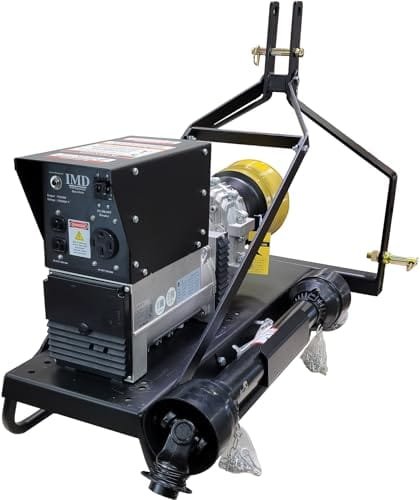
In an increasingly interconnected world, reliable power isn't just a convenience – it's a necessity. From safeguarding your home during an outage to ensuring continuous operations for your business, the ability to generate your own electricity offers unparalleled peace of mind and operational continuity. Enter the 30kW generator: a robust, versatile solution designed to bridge the gap when grid power falters.
This comprehensive guide will help you understand the power, potential, and practicalities of 30kW generators. We'll explore why these units are a premier choice for significant power needs, delving into everything from their fundamental operation to advanced maintenance. By the end, you'll be equipped to make informed decisions, ensuring your home or business stays energized, no matter what.
Unpacking the Power of a 30kW Generator
At its core, a 30kW generator is a powerful machine capable of producing up to 30,000 watts of electricity. This substantial output makes it perfectly suited for a wide range of applications, from providing comprehensive backup power for larger residences to serving as a primary power source for commercial buildings and even medium-sized industrial operations. These generators are engineered for demanding tasks, offering both efficiency and enduring performance.
Understanding the fundamental components and capabilities of these powerful units is the first step toward appreciating their value. To truly grasp how these work and what they can offer, you'll want to dive deeper into What is a 30kW Generator.
Why Diesel Reigns Supreme for 30kW Power
While various fuel types exist for generators, diesel often stands out as the preferred choice for 30kW units due to its inherent advantages. 30kW diesel generators, like those high-quality models manufactured in the USA by Powerhouse Diesel Generators (PDG), offer exceptional fuel efficiency and lower maintenance costs compared to other options. This translates into more economical long-term operation.
Under normal load conditions, a 30kW diesel generator can typically run for a substantial 8-10 hours on a single tank, with larger tanks extending this duration considerably. Their higher operating efficiency makes them an incredibly reliable power source across diverse industries, including construction, mining, agriculture, healthcare, manufacturing, telecommunications, and emergency services.
Discovering Your Ideal 30kW Generator Solution
The world of 30kW generators isn't one-size-fits-all. Beyond the dominant diesel models, you might encounter generators running on natural gas or propane, each with its own set of benefits and considerations. Furthermore, a crucial distinction lies between standby generators, which automatically activate during outages, and portable units, offering flexibility for various temporary power needs.
Understanding these different types is vital for selecting a system that perfectly aligns with your specific requirements and operational environment. For a comprehensive comparison and to assess which type best suits your situation, we encourage you to Explore 30kW generator options.
Precision Planning: Sizing Your Power Needs Accurately
Choosing the right 30kW generator isn't just about picking a robust unit; it's about ensuring it can adequately handle your specific power demands. An undersized generator will struggle, potentially leading to breakdowns and inefficient operation, while an oversized one can be an unnecessary expense, both upfront and in fuel consumption. The key lies in meticulously determining your total power requirements – the cumulative wattage of all appliances and systems you intend to power.
Consider whether the generator will serve as a primary power source or as an emergency backup. Each scenario has different load profiles and run-time expectations. To accurately assess your needs and make a confident selection, it's essential to Determine your 30kW power needs.
The Foundation of Reliability: Proper Installation and Setup
Once you've selected your 30kW generator, professional installation becomes paramount. This isn't a DIY project; proper setup ensures safety, compliance with local codes, and optimal performance. Key elements of a professional installation include the secure placement of the generator, often on a stable concrete pad, and the integration of a transfer switch.
A transfer switch is a critical component that safely switches your electrical load from utility power to generator power, preventing dangerous back-feeding into the grid. Consulting a qualified professional for this intricate process is non-negotiable for a safe and effective power solution. To learn more about the critical steps involved, look into Proper 30kW generator setup.
Protecting Your Investment: Essential Maintenance and Troubleshooting
A 30kW generator is a significant investment designed for long-term reliability, but like any sophisticated machinery, it requires diligent care. Regular maintenance is the cornerstone of preventing unexpected failures and extending the lifespan of your unit. This includes routine checks of fluid levels, filter replacements, battery inspections, and periodic load testing to ensure it's ready when you need it most.
Even with the best maintenance, minor issues can sometimes arise. Understanding common troubleshooting steps can help you quickly identify and resolve problems, minimizing downtime. For comprehensive guidance on keeping your generator in peak condition and tackling typical operational snags, you'll want to Maintain and troubleshoot 30kW generators.
Adhering to Environmental Standards: Emissions Regulations
When operating a 30kW diesel generator, it's crucial to be aware of and comply with emissions regulations. Diesel engines produce particulate matter and nitrogen oxides, which are subject to environmental standards set by agencies like the US Environmental Protection Agency (EPA). These non-road diesel engine emissions standards are divided into several tiers, each more stringent than the last:
- Tier 1 (1996): The initial standards, with higher permissible emissions.
- Tier 2 (2001): More stringent than Tier 1 standards.
- Tier 3 (2006): Even stricter than Tier 2.
- Tier 4 (2011, updated 2014): The most stringent standards, aiming for the lowest emissions.
Ensuring your chosen generator meets current local emissions standards and applicable guidelines is not just a legal requirement but also a responsible environmental practice.
Your Path to Uninterrupted Power
A 30kW generator offers a robust and dependable solution for anyone seeking to ensure a continuous power supply for large homes, commercial establishments, or industrial applications. From understanding the core technology and choosing the right fuel type to ensuring professional installation and consistent maintenance, every step contributes to maximizing your investment and securing your power future. With the right knowledge and resources, you can confidently navigate the world of 30kW generators, empowering yourself with the ultimate safeguard against power interruptions.