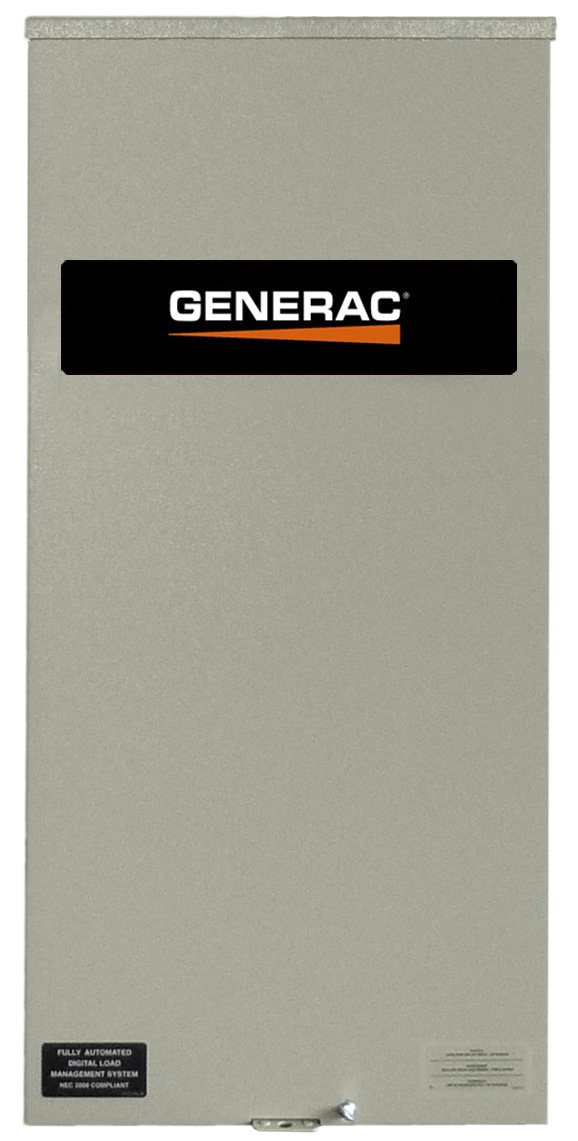
When the lights go out, a reliable backup power source isn't just a luxury—it's peace of mind. For homes and businesses relying on a substantial 30kW generator, the true lifeline during an outage isn't just the generator itself, but how it seamlessly integrates with your electrical system. This integration hinges on precise Installation & Setup Requirements for 30kW Generators: Transfer Switches & Site Prep. Getting this right is crucial for safety, efficiency, and ensuring your power comes back on without a hitch.
This comprehensive guide will walk you through everything you need to know, from selecting the right transfer switch to the meticulous site preparation and wiring steps, ensuring your investment pays off when you need it most.
At a Glance: Your 30kW Generator Installation Essentials
- Transfer Switch is Non-Negotiable: This device is vital for safely connecting your generator, preventing dangerous "back-feeding" into utility lines and protecting utility workers.
- Manual vs. Automatic: Choose between flipping a switch yourself (manual) or letting the system handle it automatically (automatic), depending on your budget and convenience needs.
- Match Components: Your transfer switch must be compatible with your 30kW generator's wattage, amperage, and voltage, as well as your home's electrical panel.
- Site Prep is Key: Proper generator placement, fuel line installation, and a well-thought-out wiring path are foundational for a safe and code-compliant setup.
- Safety First, Always: Turn off all main power, verify with a voltage tester, and wear appropriate safety gear before touching any wiring.
- Permits Are Likely Required: Electrical work, especially with high-capacity generators, almost always requires local permits and inspections. Don't skip this step.
- Professional Help Advised: While a DIY approach is possible for the electrically savvy, hiring a licensed electrician is highly recommended for safety and compliance, especially with a 30kW system.
Understanding the Heart of Your Backup Power: The Transfer Switch
Imagine your generator as a robust, silent sentry, ready to leap into action when the grid falters. But how does that power get from the generator to your home's outlets and appliances safely? The unsung hero here is the transfer switch. It's not just a fancy switch; it’s an electrical device that intelligently connects your generator to your home's electrical system, acting as a critical bridge.
Without a transfer switch, directly connecting a generator to your home can be incredibly dangerous. This direct connection risks "back-feeding"—sending generator power out onto the utility grid. This poses a severe electrocution hazard to utility workers who might be repairing lines, unaware that your generator is energizing them. A transfer switch completely prevents this, isolating your generator power to your home alone.
Beyond critical safety, a transfer switch offers a host of benefits that make it an indispensable part of your 30kW generator setup:
- Enhanced Safety: The primary benefit is preventing back-feeding, ensuring your generator's power stays within your property and doesn't endanger utility workers or damage sensitive equipment.
- Convenience: It allows you to switch between utility and generator power seamlessly, eliminating the need for fumbling with extension cords or multiple appliance plugs.
- Appliance Protection: By providing a stable, regulated connection, it helps prevent power surges or fluctuations that could harm your sensitive electronics and appliances.
- Code Compliance: In many regions, installing a transfer switch is not just a recommendation but a strict requirement of local electrical codes, especially for larger generators.
- Increased Generator Efficiency: A properly installed transfer switch allows you to selectively power essential circuits, meaning your 30kW generator can run more efficiently without being overloaded by non-critical loads.
- Ease of Use: It streamlines your power management during an outage, making the process of getting backup power up and running far simpler and safer.
Choosing Your Guardian: Manual vs. Automatic Transfer Switches
When it comes to transfer switches, you essentially have two core choices, each with distinct operational styles and benefits. Your decision will depend on your budget, how quickly you need power restored, and whether you're typically home during an outage.
Manual Transfer Switches: Hands-On Reliability
A manual transfer switch, as its name suggests, requires your active participation. When utility power goes out, you'll need to physically go to the switch and flip it from "utility" to "generator" mode.
- How it Works: Upon a power outage, you'll first start your generator. Once it's running steadily, you'll go to the transfer switch, turn off the utility power feed, and then engage the generator power feed. When utility power returns, you reverse the process.
- Advantages:
- Less Expensive: Generally more affordable to purchase and install compared to automatic systems.
- Simpler: Less complex electrical components mean simpler maintenance and fewer potential points of failure.
- Flexibility: Often allows you to choose which specific circuits you want to power, giving you granular control over energy usage.
- Ideal Use Cases: This option is excellent for homes or small businesses where someone is always present during an outage and doesn't mind the manual intervention. It's also suitable for smaller setups where the added cost and complexity of an automatic switch aren't justified. If you're looking for a straightforward, cost-effective backup solution for your 30kW generator, a manual switch might be your best bet.
Automatic Transfer Switches: Seamless & Smart
For ultimate convenience and immediate response, an automatic transfer switch (ATS) is the gold standard. It takes the "manual" out of the equation entirely.
- How it Works: The ATS continuously monitors the utility power supply. The moment it detects a power loss, it signals your generator to start. Once the generator is up to speed and producing stable power, the ATS automatically switches your home's electrical load from the utility line to the generator. When utility power is restored, the ATS senses this, switches your home back to utility power, and then signals the generator to shut down after a cool-down period. All of this happens without you lifting a finger.
- Advantages:
- High Convenience: Power is restored automatically, even if you're not home.
- Ensured Power Continuity: Critical systems like medical equipment, refrigeration, and security systems remain operational with minimal interruption.
- Faster Response Time: Switches typically within seconds or minutes of an outage, significantly reducing downtime.
- Ideal Use Cases: An ATS is perfect for larger homes or businesses where power continuity is crucial (e.g., medical equipment, extensive refrigeration, security systems). It's also highly valued for vacation homes or properties where you might be away during an outage, ensuring pipes don't freeze and food doesn't spoil. Given the substantial output of a 30kW generator, often powering an entire home or critical business operations, an automatic transfer switch is frequently the preferred choice.
Matching Your Needs: Selecting the Right Transfer Switch
Choosing the correct transfer switch isn't just about manual versus automatic; it's about ensuring a perfect technical match with your 30kW generator and your home's electrical infrastructure. A mismatch could lead to inefficiency, damage, or even a system that simply won't work.
1. Assess Your Power Needs
Even with a powerful 30kW generator, understanding what you actually want to power is critical for selecting the right transfer switch.
- Calculate Total Wattage: List all the appliances, lights, and systems you want to run simultaneously during an outage. Sum their individual wattages. This helps confirm your 30kW generator is appropriately sized and ensures your transfer switch can handle the total load. If you haven't yet settled on your generator, understanding these needs is also crucial for selecting the ideal generator size.
- Identify Critical Circuits: Prioritize essential circuits like heating, cooling, refrigeration, well pumps, lighting, and crucial electronics. Manual transfer switches typically back up 6-10 critical circuits, with 240V circuits (like a well pump or electric water heater) counting as two.
2. Ensure Compatibility
The transfer switch is the bridge; it needs to be perfectly compatible with both sides—your generator and your home's electrical panel.
- Generator Specifications: Match the transfer switch's wattage capacity to your 30kW generator's output. Ensure it can handle the maximum amperage your generator can produce. Also, confirm the connection types (e.g., L14-30, 14-50) are compatible.
- Transfer Switch Ratings: The switch's amperage and voltage ratings must align with your home's main electrical service and your generator's output. A 30kW generator typically operates at 240V, so your transfer switch should be rated for that voltage. Amperage ratings (e.g., 100A, 200A) must match or exceed your generator's output and your main service panel's rating.
- Circuit Breaker Compatibility: If you're installing a sub-panel type manual transfer switch, ensure it's compatible with the existing circuit breakers in your main electrical panel.
Before You Begin: Essential Site Prep & Tools
The success of your generator installation hinges not just on the wiring, but on thorough preparation. This includes selecting the right location for your generator and transfer switch, understanding local regulations, and gathering every tool and material you'll need.
Comprehensive Site Preparation
Think of site prep as laying the groundwork for a safe, efficient, and compliant system.
- Generator Placement: Your 30kW generator needs a stable, level, non-combustible surface (like a concrete pad) at least five feet from any doors, windows, or vents to prevent carbon monoxide entry. Ensure proper ventilation and easy access for maintenance. Factor in noise levels for your neighbors and the path for fuel lines (natural gas or propane) if it's a standby unit.
- Transfer Switch Location: Choose a suitable spot for the transfer switch, ideally near your main electrical panel. This minimizes the length of wiring runs, reducing material costs and potential voltage drop. Ensure it's in a dry, protected area.
- Planning the Wiring Path: Map out the exact route for all electrical conduit and wiring between the generator, the transfer switch, and the main electrical panel. Identify any obstacles and plan for conduit bends. A well-planned path makes installation smoother and more aesthetically pleasing.
- Local Codes and Regulations: This is non-negotiable. Always check your local electrical codes and building regulations. Most areas require permits for generator and transfer switch installations, especially for a powerful 30kW unit. You may also need a licensed electrician for the installation and subsequent inspection. Understanding local electrical codes and regulations is paramount to avoiding fines and ensuring safety.
- Fuel Line Installation: For standby natural gas or propane generators, a qualified plumber or gas technician must install the appropriate fuel lines to the generator, following all local codes.
- Inform Household Members: Let everyone in your home know about the upcoming power outage for installation. This avoids surprises and ensures no one attempts to use appliances while power is off.
Essential Tools and Materials for Installation
Having the right equipment on hand will make the installation process safer and more efficient.
Tools:
- Flathead and Phillips screwdrivers (various sizes)
- Drill and various drill bits (for mounting and knockouts)
- Wire cutters and strippers (appropriate for your wire gauge)
- Pliers (needle-nose, regular, channel lock)
- Voltage tester (non-contact and/or multimeter)
- Utility knife
- Conduit bender (if using rigid conduit)
- Battery-powered work light (essential for when the power is off)
- Tape measure, level, pencil/marker
Materials: - Appropriate gauge wires (matching your generator's output and circuit needs)
- Electrical conduit and fittings (EMT, FMC, or PVC, depending on code)
- Mounting hardware (screws, anchors, brackets for the transfer switch)
- Cable ties (for organizing wires)
- Wire nuts (for capping unused wires)
- Electrical tape
- Conduit locknuts and bushings
- Generator receptacle (if not pre-installed in the transfer switch)
- Safety gear (gloves, safety glasses, ear protection, hard hat)
The Installation Blueprint: Step-by-Step Guide
This section provides a detailed, step-by-step guide to installing your transfer switch. While these instructions are comprehensive, remember that working with high-voltage electricity is inherently dangerous. If you are not confident in your electrical skills, please hire a qualified electrician.
Step 1: Laying the Groundwork for Safety
Before you touch any wires, proper preparation and safety measures are paramount.
- Safety Precautions — Crucial!
- Turn Off Main Power: Go to your main electrical panel and flip the main service disconnect breaker to the "OFF" position. This de-energizes your entire home.
- Verify Power is Off: Use a voltage tester to confirm that power is off at several outlets and lights throughout your home. Test a known live outlet first to ensure your tester is working. Never assume the power is off just because you flipped a breaker.
- Wear Safety Gear: Always wear appropriate personal protective equipment (PPE), including safety glasses, insulated gloves, and a hard hat.
- Detailed Planning:
- Choose Location: Re-confirm your selected location for the transfer switch near the main electrical panel, ensuring it’s accessible and protected.
- Map Wiring: Finalize the wiring path from the transfer switch to the main panel and to the generator receptacle. Visualize conduit runs and connections.
- Gather All Supplies: Double-check that you have all the necessary tools and materials listed above.
- Check Local Codes: Confirm you have all required permits and understand the specific requirements for your area.
- Communicate: Inform everyone in the household that power will be off for an extended period.
Step 2: Securing Your Switch
Properly mounting the transfer switch ensures a stable and safe installation.
- Mark and Drill: Hold the transfer switch enclosure against the wall in its desired location. Use a pencil or marker to mark the mounting holes. Use your drill and an appropriate bit to drill pilot holes into the wall.
- Secure the Switch: Use robust mounting hardware (screws, anchors if needed) to firmly secure the transfer switch to the wall. Ensure it is level and stable.
- Conduit Prep: If using flexible metal conduit (FMC) or other conduit types, feed the appropriate wires (generator feed, main panel feed) through the conduit. Secure the conduit connectors to the transfer switch enclosure knockouts (if not pre-installed).
Step 3: Making the Connections (Power OFF!)
This is the most critical step and must be performed with the utmost care and power completely OFF at the main breaker.
- Access the Main Panel: Carefully remove the cover of your main service panel. First, ensure the main breaker is OFF, then flip all individual branch circuit breakers to OFF.
- CRITICAL WARNING: Even with the main breaker off, the large main feeder lines coming into the panel (typically black, red, and the neutral/ground lugs) are still live if the utility company hasn't disconnected service. Keep your body and tools clear of these lines and their connection points at all times.
- Create Entry Point: Pop out an appropriate size knockout on the side or bottom of the main panel where you intend to route the transfer switch wires.
- Feed Wires: Feed the flexible metal conduit (FMC) or individual wires from the transfer switch into the main panel through the knockout. Secure the conduit with a locknut and bushing to protect the wires.
- Connect Ground Wire (Green/Bare Copper): Locate the ground busbar in your main panel (it's the long metal bar with other green or bare copper wires connected). Connect the green (ground) wire from the transfer switch to this busbar.
- Connect Neutral Wire (White): Locate the neutral busbar (the long bar with all the white wires connected). Connect the white (common/neutral) wire from the transfer switch to this busbar.
- Prepare Circuit Wires: Within the transfer switch, you'll have wire pairs for each circuit you intend to back up. Cut these wires to length and strip about 1/2 to 3/4 inch of insulation from each end. For manual transfer switches, you might have specific black and red wires designated for each circuit. Optionally, wrap matching red and black wires for each circuit with electrical tape to keep them organized.
- Connect 120V Circuits:
- Identify a desired critical 120V circuit (e.g., kitchen lights, bedroom outlets) in your main panel.
- Carefully disconnect the black (hot) wire from the side of that circuit breaker in your main panel. This is the wire that feeds power to your branch circuit.
- Connect one of the hot wires (usually black) from the transfer switch (specifically designated for that circuit) to the black wire you just removed from the breaker. You might use a wire nut for this connection.
- Connect the other hot wire (usually red) from the transfer switch (for that same circuit) to the terminal on the circuit breaker itself, where the original black wire was connected. This allows the transfer switch to determine whether the circuit receives utility or generator power.
- Connect 240V Circuits:
- For a 240V circuit (e.g., well pump, central AC fan), you'll typically use two adjacent circuit breaker positions on the transfer switch, often paired together with an included bar.
- Route the two wire pairs from these paired transfer switch breakers to the appropriate 240V double-pole breaker in your service panel. Connect them similarly to the 120V process, where one wire from the transfer switch connects to the existing branch circuit wire, and the other connects to the breaker terminal.
- Cap Unused Wires: If your transfer switch has more circuits than you need, cap any unused wires with wire nuts to prevent accidental contact.
- Install Generator Receptacle: If your transfer switch doesn't have an integrated generator receptacle, you'll need to install one on an exterior wall. Connect its four wires (black, red, white, green) to the corresponding wires coming from the transfer switch, following the manufacturer's instructions. Ensure outdoor receptacles are weather-rated.
Step 4: The Moment of Truth: Testing Your Setup
Once all connections are made, it's time to meticulously test your new system.
- Initial Power-Up (Utility):
- Double-check all connections for security and correctness. Ensure no bare wires are exposed where they shouldn't be.
- Replace the main service panel cover and the transfer switch cover.
- Ensure all circuit switches on the transfer switch are in the "line" (utility) position.
- Go to your main electrical panel and flip the main circuit breaker back to the "ON" position.
- One by one, flip each branch circuit breaker in the main panel ON. Verify that your home's circuits powered by the transfer switch function correctly on utility power.
- Generator Test:
- Ensure your 30kW generator is connected to the generator receptacle and has sufficient fuel.
- Start the generator according to its manufacturer's instructions. Allow it to warm up for a few minutes.
- Simulate an outage: You can trip your main breaker if you're confident, or simply switch the transfer switch from "line" to "generator" for the specific circuits you want to test.
- Test each connected circuit: On the transfer switch, flip the switch for a connected circuit from "line" to "off," then to "gen" (generator). Observe if the lights or appliances on that circuit turn off then come back on under generator power.
- Once you've tested all connected circuits, return them to the "line" position on the transfer switch.
- Shut off the generator and disconnect it from the transfer switch. Remember, regular testing is key to ensuring readiness; aim to keep your generator running smoothly by testing it monthly.
Step 5: Troubleshooting Common Hurdles
Even with careful installation, issues can arise. Here's how to address common problems:
- No Power to Circuits:
- Check Connections: The most frequent culprit is a loose or incorrectly wired connection. Re-open the panels (after turning off power!) and meticulously re-examine every splice and terminal.
- Breaker Trips: Is a breaker on the transfer switch or main panel tripping? This indicates an overload or short circuit.
- Generator Not Starting:
- Fuel: Is there enough fuel? Is the fuel valve open?
- Battery: Is the generator's battery charged (for electric start models)?
- Spark Plug/Oil: Basic generator maintenance issues can prevent starting.
- Output Match: Ensure your generator's output matches the transfer switch requirements.
- Circuit Breakers Tripping:
- Overload: This is the most common reason. The total wattage of connected circuits might exceed the capacity of either the individual circuit breaker, the transfer switch, or your 30kW generator itself. Try disconnecting non-essential appliances.
- Short Circuit: A short circuit in an appliance or wiring can also cause a trip. Isolate the problematic circuit.
Step 6: Final Touches for a Resilient System
Once everything is tested and working, a few final steps ensure safety, organization, and long-term reliability.
- Secure and Organize Wires: Neatly route and secure all wires within the transfer switch and main panel using cable ties. This prevents damage, improves airflow, and makes future maintenance easier.
- Label Everything: Clearly label the transfer switch and each of its connected circuits. This is invaluable for troubleshooting and for quickly identifying which appliances are being powered during an outage.
- Perform a Full System Test: Simulate a complete power outage (if safe and permissible) and run your generator under load for an hour or two. This is the ultimate test of your system's readiness and helps you get familiar with its operation.
- Understand Your Generator: Take the time to read your generator's manual. Knowing its specific features, different fuel options, and maintenance schedule will extend its lifespan.
Your Questions Answered: FAQs About Transfer Switch Installation
Installing a transfer switch for a 30kW generator is a significant undertaking, and it's natural to have questions. Here are answers to some of the most frequently asked:
How long does a typical transfer switch installation take?
For an experienced electrician, a standard transfer switch installation for a 30kW generator typically takes between 3 to 4 hours. However, this can vary significantly based on the complexity of your home's wiring, the distance between the main panel and the generator, and any unforeseen challenges with conduit runs or panel access.
Do I need a permit for generator and transfer switch installation?
Yes, in almost all localities, you absolutely need a permit for installing a generator and its associated electrical work, including the transfer switch. This ensures the installation meets local electrical and building codes, which are designed for safety. Skipping permits can lead to fines, difficulties with insurance claims, and potential safety hazards. Always check with your local building department.
Can I install a transfer switch myself (DIY)?
While it is technically possible for individuals with extensive electrical experience and a thorough understanding of local codes, DIY installation is generally not recommended for a 30kW generator system. The high amperage and complex wiring involved carry significant risks of serious injury, fire, or damage to your home if done incorrectly. For safety and compliance, hiring a licensed and insured electrician is strongly advised.
How do I size a transfer switch for my 30kW generator?
The transfer switch size (amperage rating) should match or exceed the maximum output amperage of your 30kW generator and the rating of your main service panel. For a 30kW generator at 240V, the maximum continuous amperage is 125A (30,000W / 240V = 125A). Therefore, you would typically need a transfer switch rated for at least 125A, and often higher (e.g., 200A) to match your home's main electrical service. Always consult your generator manufacturer's specifications and a qualified electrician.
How often should I test my generator and transfer switch system?
It's recommended to test your generator and transfer switch system monthly. Run the generator under a partial load for at least 20-30 minutes to ensure it starts reliably, the transfer switch engages correctly, and the system can handle your essential circuits. This also helps keep the generator's engine lubricated and prevents fuel stagnation. Beyond monthly checks, ensure you follow the generator maintenance tips in your owner's manual.
Powering Forward: Your Resilient 30kW Generator System
The installation of a 30kW generator and its critical transfer switch isn't just about wiring and concrete pads; it's about investing in the reliability and safety of your home or business. By understanding the nuances of manual versus automatic switches, meticulously preparing your site, and following the detailed installation steps, you’re building a robust backup power system that will serve you faithfully when the grid goes dark.
Remember, while this guide provides comprehensive insights, electricity is unforgiving. For an installation of this scale and importance, don't hesitate to consult with or hire a licensed electrician. Their expertise ensures that your system is not only functional but also safe, compliant with all codes, and provides the uninterrupted power you expect from a substantial 30kW generator. For more in-depth information on selecting and maintaining your unit, explore Your guide to 30kw generators. With the right setup, you can face any outage with confidence.