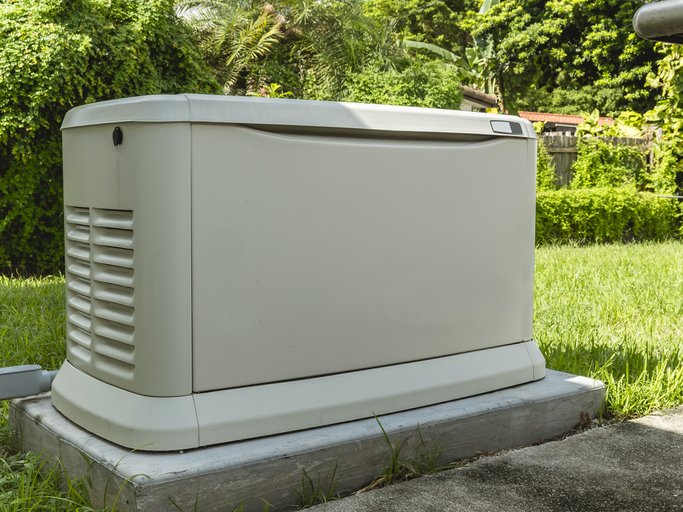
Generators are unsung heroes, silent guardians waiting to spring into action when the lights go out. But for your 30kW generator to truly be a reliable lifeline during power outages, it needs more than just a place to sit. It demands consistent, thoughtful attention. This comprehensive guide delves into Maintenance & Troubleshooting for 30kW Generators: Essential Care & Common Issues, equipping you with the knowledge to keep your powerhouse running flawlessly, safeguarding your peace of mind and your investment.
Neglecting your 30kW generator isn't just a minor oversight; it's a gamble with potentially high stakes, from unexpected breakdowns during crucial moments to costly repairs and a significantly shortened lifespan. Think of this article as your personal maintenance coach, guiding you through the essential steps and common pitfalls so your generator is always ready.
At a Glance: Key Takeaways for Your 30kW Generator
- Regular Care is Non-Negotiable: Preventative maintenance is the bedrock of reliability, safety, and longevity for any 30kW unit.
- Follow a Schedule: Daily, weekly, monthly, and seasonal checks tailored to your generator's type (portable, standby, inverter) are critical.
- Key Systems to Monitor: Pay close attention to oil, coolant, fuel, battery, air filter, and electrical connections.
- Don't Ignore the Signs: Unusual noises, power fluctuations, or starting issues are urgent calls for attention.
- Know When to Call a Pro: Some issues require expert diagnosis and specialized tools to resolve safely and effectively.
- Safety First: Always prioritize personal safety and adhere to manufacturer guidelines and local regulations.
The Unseen Cost of Neglect: Why Proactive 30kW Generator Care Pays Off
It’s easy to overlook something that only works when everything else fails. However, the consequences of neglecting your 30kW generator's upkeep are far-reaching, transforming a dependable backup into a source of frustration and expense. Proper maintenance isn't just about fixing things when they break; it's about preventing them from breaking in the first place, ensuring continuous power and extending your generator's operational life.
Consider these potential pitfalls if regular maintenance is skipped:
- System Overheating: A clogged cooling system or low coolant can cause the engine to overheat, leading to severe damage and expensive repairs.
- Fuel System Failures: Contaminated fuel, dirty filters, or blockages can choke your generator, resulting in poor performance or a complete inability to start. Sediments can build up, particularly in units not run regularly.
- Engine Wear & Tear: Insufficient or contaminated oil fails to properly lubricate engine components, leading to excessive friction, heat, and premature wear. This can quickly escalate to catastrophic engine failure.
- Electrical Malfunctions: Loose connections, corroded terminals, or damaged wiring can cause power surges, inconsistent output, or even electrical fires, posing significant safety risks.
- Battery Shutdown: A dead or weak battery is one of the most common reasons a generator fails to start when needed most.
- Shortened Lifespan: Without proper care, your 30kW generator's overall lifespan can be drastically cut, meaning you'll face replacement costs much sooner than anticipated.
By embracing a proactive maintenance routine, you’re not just performing tasks; you’re investing in reliability, safety, and the long-term value of your equipment.
Tailoring Maintenance to Your 30kW Generator Type
Not all 30kW generators are created equal, and their operational nuances dictate slightly different maintenance priorities. Understanding your specific generator type helps customize your care routine.
- Portable 30kW Generators: These units, often moved and exposed to varied environments, demand frequent visual inspections. Dust, debris, and potential damage from transport are common concerns. Their more direct exposure means components like air filters and fuel lines might need more frequent checks.
- Standby 30kW Generators: Designed for automatic, robust reliability, standby generators require a stringent maintenance schedule to ensure they kick in precisely when needed. Their sophisticated automatic transfer switches and larger fuel tanks mean dedicated checks on battery charge, fuel stability, and system calibrations are paramount. These units often run weekly self-tests, which also need monitoring. For a deeper dive into these powerful machines, check out Your complete guide to 30kW generators.
- Inverter 30kW Generators: Known for their efficiency and clean power output, inverter generators still need regular care to maintain their advanced electronics and engine components. While they might be quieter and more fuel-efficient, their specific technology requires adherence to manufacturer guidelines for optimal performance and longevity.
Regardless of type, all 30kW generators benefit from a core set of maintenance tasks. The difference lies in the frequency and emphasis on certain components.
Your Essential 30kW Generator Maintenance Schedule
A well-structured maintenance plan is the backbone of generator reliability. Here's a comprehensive schedule, guiding you from quick daily checks to seasonal preparations.
Daily Pre-Run Checks: The Quick Scan for Peace of Mind
Before firing up your 30kW generator for any significant use, a few quick checks can prevent major headaches.
- Visual Inspection:
- What to Look For: Scan for any visible leaks (oil, fuel, coolant), frayed wires, loose connections, or signs of rust and corrosion. Check belts for tension and cracks.
- Why It Matters: Catching a small leak or loose connection early can prevent extensive damage or a hazardous situation during operation.
- Placement Check: Ensure the generator is on a stable, level surface and that all ventilation openings are clear of obstructions, allowing proper airflow.
- Check Coolant Level:
- What to Look For: Locate the coolant reservoir and ensure the fluid level is within the manufacturer's recommended range (usually indicated by "MIN" and "MAX" lines). Top up if necessary using the correct coolant type.
- Why It Matters: Proper cooling prevents engine overheating, which can lead to catastrophic damage. Also, check hoses and clamps for leaks.
- Check Lubricating Oil Level:
- What to Look For: Use the dipstick to verify the oil level is between the minimum and maximum marks. Pay attention to the oil's color and consistency – dark, sludgy oil indicates contamination and means it's time for a change.
- Why It Matters: Adequate, clean oil is vital for reducing friction, preventing wear, and dissipating heat within the engine. Low or dirty oil is a fast track to engine damage.
Weekly Check-Ups: Keeping Your 30kW Generator Ready
These weekly tasks ensure critical systems are primed and ready for action.
- Battery Health Check:
- What to Look For: Inspect battery terminals for corrosion (a fuzzy, white, or green buildup). Clean them if present using a mixture of baking soda and water and a stiff brush, then rinse and dry.
- Voltage Check: Use a voltmeter to test the battery's voltage. A fully charged 12-volt battery should read around 12.6 volts or higher. If it's consistently low, investigate the charging system or consider replacing the battery.
- Why It Matters: The battery is your generator's starting point. A weak or corroded battery means your generator won't start when you need it most.
- Fuel System Inspection:
- What to Look For: Examine all fuel lines and connections for cracks, chafing, or leaks.
- Fuel Filter: Inspect or clean the fuel filter. If it looks dirty or clogged, replace it.
- Why It Matters: A clean, intact fuel system ensures a consistent supply of clean fuel to the engine, preventing sputtering, loss of power, or failure to start.
- Air Filter Inspection:
- What to Look For: Remove the air filter and check it for dirt, dust, or debris accumulation. Hold it up to a light; if you can't see light through it, it's time for a cleaning or replacement.
- Why It Matters: A clean air filter is essential for optimal airflow to the engine, which impacts combustion efficiency, power output, and fuel economy. A clogged filter can starve the engine of air, leading to poor performance.
Monthly Tune-Ups: Deeper Dives for Lasting Performance
Once a month, dedicate a bit more time to ensure your 30kW generator's core functions are sound.
- Generator Test Run (Under Load):
- How-To: Start your generator and allow it to warm up. Then, connect a significant portion of its normal load (e.g., lights, appliances, tools) and let it run for at least 30 minutes. Listen for unusual noises, and monitor voltage and frequency output with a voltmeter/frequency meter.
- Why It Matters: This exercises the engine, lubricates components, circulates fluids, and burns off stale fuel, confirming it can handle a real-world demand. For more information on generator load testing, refer to this comprehensive resource on 30kW generators.
- Important Note: Never run a generator inside a home or garage. Always operate it in a well-ventilated outdoor area, far from windows and doors.
- Cooling System Inspection:
- What to Look For: Inspect all hoses and clamps for cracks, leaks, or loose connections. Check the condition and level of the coolant again. If it looks dirty or has exceeded its recommended service interval (check your owner's manual), it's time to drain and replace it.
- Why It Matters: The cooling system works hard to regulate engine temperature. Healthy hoses and fresh coolant are crucial for preventing costly overheating incidents.
- Exhaust System Check:
- What to Look For: Ensure the exhaust outlet is clear of obstructions. Inspect the entire exhaust system (muffler, pipes) for corrosion, cracks, or damage that could lead to dangerous carbon monoxide leaks.
- Why It Matters: A clear, intact exhaust system safely directs harmful fumes away from the generator and surrounding areas.
Seasonal Care & Long-Term Storage: Adapting to the Elements
Your generator's needs change with the seasons and periods of inactivity.
- Winter Preparation:
- Antifreeze: Ensure your coolant has adequate antifreeze protection for expected winter temperatures.
- Battery: Keep the battery fully charged, and consider a battery warmer or trickle charger to prevent it from freezing or losing charge in cold weather.
- Oil Viscosity: Consult your manual for recommended oil viscosity for colder temperatures; a thinner oil can aid easier starting.
- Summer Preparation:
- Cooling System: Clean and flush the cooling system if due. Inspect cooling fans and belts for wear.
- Airflow: Ensure there's ample clear space around the generator for optimal airflow, especially during hot operation.
- Oil & Filters: High temperatures can degrade oil faster. Consider an oil and filter change to ensure maximum lubrication performance.
- Long-Term Storage (If Not Used for Extended Periods):
- Cleaning: Thoroughly clean the exterior of the unit, removing any dirt or debris.
- Fuel Stabilization: Add a fuel stabilizer to the tank, then run the generator for a few minutes to circulate the stabilizer through the fuel system. This prevents fuel degradation and gumming.
- Fuel Draining (Optional but Recommended): For very long storage (e.g., more than 3-6 months), it's often best to drain the fuel tank completely and run the generator until it runs out of fuel. This prevents issues with stale fuel.
- Covering: Use a breathable, weather-resistant cover to protect the generator from the elements.
Troubleshooting Common 30kW Generator Headaches: Quick Fixes & When to Worry
Even with diligent maintenance, issues can arise. Knowing how to diagnose and potentially fix common problems can save you time and stress.
"My 30kW Generator Won't Start!"
This is arguably the most common and frustrating issue.
- Check the Fuel: Is there enough fresh fuel? Is the fuel valve open? Stale fuel is a frequent culprit; if it's been sitting for months, consider draining and refilling with fresh gasoline.
- Check the Oil: Most generators have a low-oil shutdown feature. Ensure the oil level is correct.
- Check the Battery: Is it charged? Are the terminals clean and tight? A weak battery is often the primary reason for a no-start.
- Check the Spark Plug (Gasoline Models): Remove and inspect the spark plug. Is it dirty or fouled? Clean or replace it.
- Circuit Breaker: Some generators have an AC output breaker that must be reset or "on" to start.
- Choke: Is the choke set correctly for a cold start?
"It's Running, But Not Producing Power"
The engine is purring, but your appliances aren't powering up.
- Check Circuit Breakers: The most common cause. Check both the main circuit breaker on the generator and any individual outlet breakers. Reset them if tripped.
- Overload: You might be trying to draw more power than the generator can safely deliver. Unplug some items and try resetting the breaker.
- Loose Connections: Inspect the power cords and connections to the generator.
- GFCI Outlets: If your generator has GFCI (Ground Fault Circuit Interrupter) outlets, they might have tripped. Reset them.
"Strange Noises or Vibrations"
Any unusual sound is a red flag.
- Grinding, Rattling, Clunking: Could indicate loose components (bolts, engine mounts), worn bearings, or internal engine issues. Shut down immediately and investigate.
- Screeching: Often points to a loose or worn belt (alternator, fan).
- Excessive Vibration: Can be caused by loose engine mounts, an unbalanced fan blade, or deeper engine problems.
- What to do: Identify the source if possible. If it sounds like it's coming from the engine's core, cease operation and seek professional help.
"Overheating"
The generator is running hot, sometimes accompanied by a high-temperature warning light.
- Low Coolant: Check and top up the coolant level.
- Blocked Airflow: Ensure ventilation openings are clear and the generator isn't too close to walls or other obstructions.
- Dirty Radiator/Cooling Fins: Clean any accumulated debris from the radiator or cooling fins.
- Fan/Belt Issue: Check if the cooling fan is operating correctly and if its drive belt is intact and tensioned.
- Overload: Running the generator consistently at or near its maximum capacity in hot weather can cause overheating. Reduce the load if possible.
"Excessive Smoke from the Exhaust"
The color of the smoke provides clues to the problem.
- Black Smoke: Often indicates incomplete combustion due to too much fuel or not enough air. Check the air filter (is it dirty?), fuel injectors, or choke setting.
- Blue Smoke: Usually a sign of burning oil. This can be caused by worn piston rings, valve guides, or an overfilled oil crankcase. This often requires professional attention.
- White Smoke: Can indicate water or coolant burning, especially if it's thick and has a sweet smell (coolant leak). In cold weather, it might just be condensation, which should dissipate quickly.
Beyond DIY: When to Call the 30kW Generator Professionals
While many routine checks and minor troubleshooting steps can be handled by an attentive owner, there are times when professional expertise is non-negotiable.
Signs You Need Expert Help:
- Persistent Starting Failure: If you've checked the basics (fuel, oil, battery, spark) and it still won't start, a deeper electrical or engine issue is likely.
- Consistent Power Fluctuations: If your generator consistently puts out unstable voltage or frequency, it could damage connected electronics. This points to alternator or voltage regulator problems.
- Loud, Unusual Noises: Grinding, metallic clanking, or loud knocking sounds often indicate serious internal engine damage that requires immediate professional diagnosis.
- Fluid Leaks That Won't Stop: Significant or unidentifiable fluid leaks should be addressed by a technician.
- Exhaust Issues: Persistent blue or white smoke, or a strong, unusual odor from the exhaust, indicates internal engine problems.
- Warning Lights: If any diagnostic warning lights illuminate and remain on, consult your manual and then a professional if the issue isn't quickly resolved.
Benefits of Professional Inspections:
- Expert Diagnosis: Technicians have specialized tools and training to accurately pinpoint complex issues.
- Advanced Calibration: They can calibrate voltage, frequency, and other outputs to factory specifications.
- Software/Firmware Updates: Modern generators may require software updates for optimal performance.
- Preventative Component Replacement: Professionals can identify and replace wear-prone parts before they fail, further extending the generator's life.
- Warranty Compliance: Annual professional servicing often maintains your generator's warranty validity.
Choosing a Certified Technician:
When selecting a service provider for your 30kW generator, look for:
- Certified Technicians: Ensure they are factory-trained and certified for your specific generator brand and model.
- Reputation: Check reviews, testimonials, and ask for references.
- Service Agreements: Many providers offer preventative maintenance agreements that can save money and ensure timely servicing.
- Emergency Service: Look for companies that offer 24/7 emergency repair services, especially for standby units.
Safety & Compliance: Non-Negotiables for 30kW Generator Operation
Operating and maintaining a 30kW generator involves working with powerful machinery, electricity, and fuel. Safety must always be your top priority.
- Personal Protective Equipment (PPE): Always wear appropriate PPE, including safety glasses, gloves, and hearing protection, especially during operation or maintenance tasks.
- Carbon Monoxide Awareness: Never run a generator indoors or in an enclosed space. Ensure adequate ventilation. Install carbon monoxide detectors in any occupied buildings nearby.
- Fuel Handling: Store fuel in approved containers, away from heat sources and living areas. Refuel a cool generator, never one that is running or hot.
- Electrical Safety: Never work on a generator's electrical components unless you are qualified and the unit is completely powered down and locked out. Use appropriate extension cords rated for outdoor use and the generator's output.
- Manufacturer Guidelines: Always consult your generator's owner's manual. It contains specific safety warnings, maintenance schedules, and operational procedures unique to your model.
- Local Regulations: Understand and adhere to all local codes and regulations regarding generator installation, placement, and noise restrictions. Proper maintenance is also crucial for maintaining your generator's warranty, ensuring any future issues are covered.
Keeping Your Power On: Your Proactive Path to 30kW Generator Reliability
Your 30kW generator is a significant investment in peace of mind and operational continuity. It's a machine built to deliver power when you need it most, but its reliability is directly proportional to the care it receives. By embracing the essential maintenance and troubleshooting practices outlined in this guide, you transform from a passive owner into an empowered guardian of your power supply.
From the simple daily checks to the more involved monthly tune-ups and the crucial seasonal preparations, each step builds a layer of resilience into your generator. Remember that proactively addressing minor issues prevents them from snowballing into catastrophic failures. And when the problem is beyond your scope, don't hesitate to engage certified professionals.
With this proactive approach, you're not just performing maintenance; you're ensuring that when the grid falters, your 30kW generator stands ready, a steadfast source of power, keeping your world running smoothly.