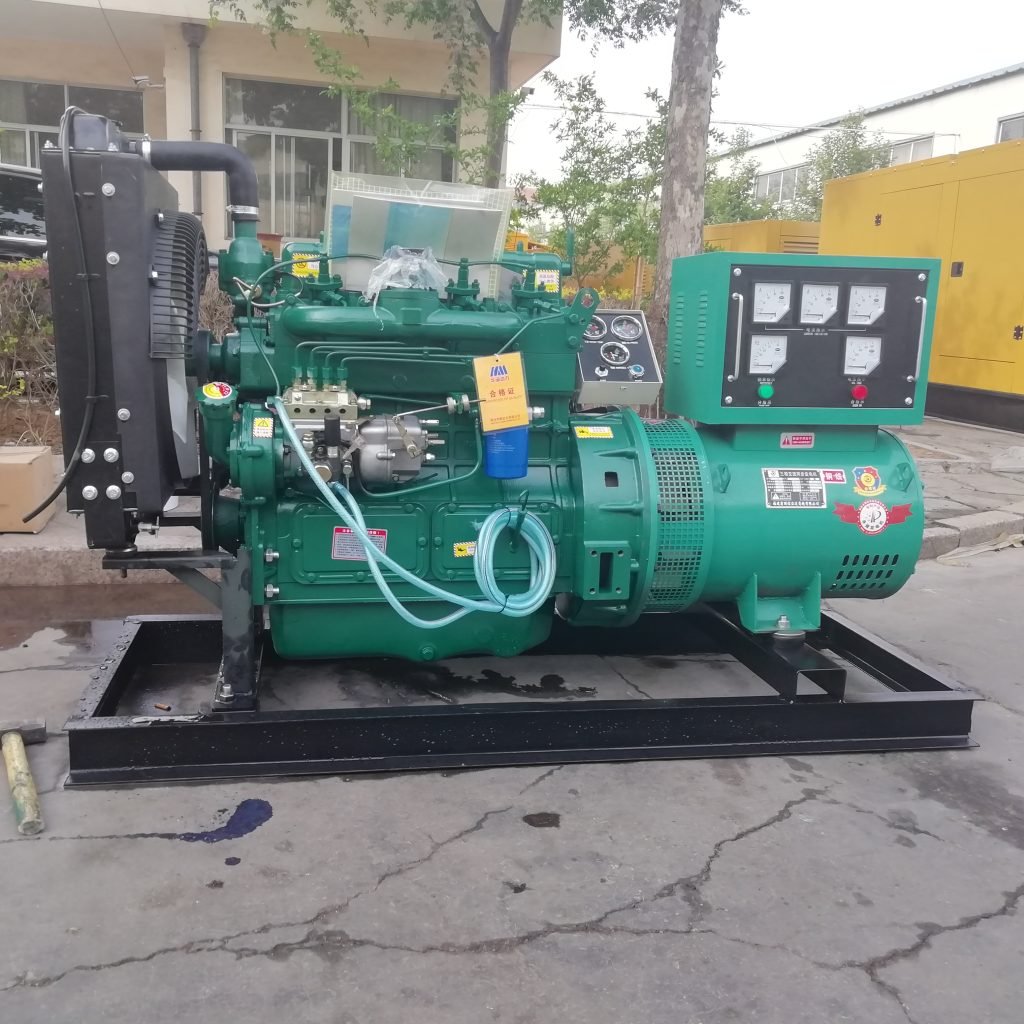
The rumble of a generator can be the sound of reassurance during a blackout, or it can be a harbinger of headaches if you haven't chosen wisely. The truth is, selecting a generator isn't about guessing; it's about precise measurement and smart foresight. This Sizing & Selection Guide for 30kW Generators: How to Determine Your Power Needs will walk you through the essential steps, ensuring you make an informed decision that safeguards your operations and investments.
Getting generator sizing right is one of the most critical decisions you'll make for business continuity or even crucial home power. It’s a nuanced dance between raw power, load types, and future needs – a decision too important to leave to chance.
At a Glance: Key Takeaways for Generator Sizing
- Precision is Power: Avoid common pitfalls like under-sizing (which damages equipment) or over-sizing (which wastes fuel and leads to "wet stacking").
- Know Your Load: List every device, noting both its operating and higher starting wattage. Motor loads demand significantly more power to kick on.
- Add a Buffer: Always factor in a 20% safety margin for unexpected surges and future expansion.
- Environment Matters: Altitude and temperature can reduce a generator's effective output, requiring "derating."
- Expert Insight is Invaluable: While you can do preliminary calculations, a certified electrician ensures accuracy and compliance, preventing costly mistakes.
Why Precision Matters: The High Stakes of Generator Sizing
Imagine investing in a robust generator, only for it to sputter under pressure or guzzle fuel unnecessarily. This isn't just about inconvenience; it's about protecting your assets and maintaining critical operations. Generator sizing is the methodical process of determining the ideal size (measured in kilowatts (kW) or kilovolt-amperes (kVA)) needed to safely power your equipment and operations. Getting it wrong can have dire consequences.
An under-sized generator is a recipe for disaster. It struggles to meet demand, leading to equipment breakdown, unexpected business disruptions, and potential damage to connected devices. Think of trying to run a marathon with a sprinters' lung capacity – it simply won't sustain the effort. This is a common and detrimental mistake, often driven by the misconception that "more is always better than less."
Conversely, an over-sized unit isn't a silver bullet either. While it might seem safe to have excess capacity, it brings its own set of problems:
- Increased Operating Expenses: You're burning more fuel than necessary.
- Inefficiency: Generators operate best under a specific load percentage.
- Wet Stacking: This particularly nasty issue occurs when a diesel generator runs under a light load for extended periods. Unburnt fuel and exhaust byproducts accumulate in the exhaust system, leading to reduced performance, higher emissions, and potential damage. It's like a car engine constantly idling – it won't run efficiently or cleanly.
The Unmistakable Benefits of Getting It Right
When you properly size your generator, you're not just buying a machine; you're investing in reliability and peace of mind. The advantages are clear:
- Improved Functioning: Seamless power delivery during outages, keeping your operations smooth and uninterrupted.
- Prevention of Overloading: No unexpected system failures or shutdowns due to capacity overload, ensuring your equipment lasts longer.
- Enhanced Fuel Economy: Efficient operation means less fuel waste and lower running costs.
- Reduced Emissions: A properly loaded generator runs cleaner, contributing to environmental compliance.
- Increased Longevity: Your generator and its entire system will enjoy a significantly longer lifespan.
- Guaranteed Performance: Smoother operation, predictable maintenance, and fewer unexpected headaches.
- Assured Safety: A smaller chance of asset damage and improved personal safety for anyone interacting with the system.
Decoding Your Power Needs: The Core Calculation Steps
Determining your generator's power requirements might seem daunting, but it breaks down into a straightforward, systematic process. The goal is to accurately calculate the total power needed by all your equipment, leaving no stone unturned.
Generators are typically rated in kilovolt-amperes (kVA) or kilowatts (kW). While related, they represent slightly different aspects of electrical power. kW is the "real power" that actually does work, while kVA is "apparent power" and includes both real and reactive power. For simplicity in initial sizing, we often focus on kW and then consider the power factor (PF) for kVA conversion.
Step 1: Inventory Your Appliances and Their Wattage
This is where the detective work begins. Grab a pen and paper (or a spreadsheet) and list every single appliance, machine, light, and system you intend to power with the generator. For each item, you need two critical pieces of information:
- Running Wattage: The power it consumes when operating normally.
- Starting Wattage (or Surge Wattage): The momentary spike in power some devices (especially those with electric motors) require to start up. This is often significantly higher than their running wattage.
You'll usually find wattage specifications on the appliance's identification plate (often on the back or bottom) or in its owner's manual. If you can't find it, a quick online search for "[appliance name] wattage" can often provide typical values. Sample power consumption charts can also demonstrate typical wattages for various devices.
Pro Tip: Don't forget seemingly small items. Every light bulb, every computer, every small fan adds up. For larger facilities, this list becomes extensive, covering everything from HVAC units and water pumps to servers, security systems, and manufacturing machinery.
Step 2: Summing Your Total Load (and Adding a Safety Buffer)
Once you have your comprehensive list, add up all the running wattages to get your baseline total. Then, identify the single highest starting wattage among all your listed items. You'll need to account for this peak surge when that specific item kicks on.
To ensure your generator can handle normal operation and the inevitable spikes, you must add a safety margin. A good rule of thumb is to add approximately 20% to your calculated total load. This buffer accounts for:
- Unexpected Surges: Even non-motor loads can have minor power fluctuations.
- Future Expansion: Gives you a little room to add new equipment without immediately needing a larger generator.
- Generator Efficiency: No generator runs at 100% efficiency all the time.
The Formula:Generator Power (kW) = Total Running Load (kW) × 1.2 (for the 20% safety margin)
Remember to consider the largest starting load: Your generator must be able to handle the running load of everything else plus the starting load of the largest motor-driven appliance that might start while everything else is already running. This is often the trickiest part.
Step 3: Converting Amperes to Watts/kW (If Needed)
Sometimes, equipment ratings are given in amperes (amps) rather than watts or kilowatts. You'll need to convert these to accurately add them to your total load. The conversion depends on the type of load (resistive vs. reactive) and whether it's a single-phase or three-phase system.
- For Resistive Load (e.g., heaters, incandescent lights):
Wattage = Amperes × Volts - For Reactive Load (e.g., motors, transformers – these have a "power factor"):
Wattage = (Amperes × Volts) × Load Factor (or Power Factor) - General kW Conversion (incorporating Power Factor):
kW = (Voltage × Current × Power Factor) ÷ 1000 - Power Factor (PF): This value represents how efficiently electrical power is converted into useful work. It ranges from 0 to 1. Resistive loads have a PF close to 1 (highly efficient), while inductive/motor loads have lower PFs (e.g., 0.8 to 0.9) because some power is used to create magnetic fields rather than direct work.
- Example: Let's say you have a device using 20 amps at 220 volts with a power factor of 0.8.
kW = (220 V × 20 A × 0.8) ÷ 1000 = 3.52 kW
Applying our 20% safety margin:3.52 kW × 1.2 = 4.224 kW. This device alone would require a generator with a capacity of at least 4.5 kW.
By meticulously following these steps, you'll arrive at a solid preliminary estimate for your generator's required power output.
Beyond the Basics: Critical Factors Shaping Your Choice
Calculating raw wattage is foundational, but it's only part of the equation. Several other crucial factors influence the final sizing and selection of your generator, ensuring it performs reliably under your specific conditions.
Load Type Unpacked: Resistive, Inductive, and Motor Loads
Not all power demands are equal. Understanding the nature of your electrical loads is paramount:
- Resistive Loads: These are straightforward. Think electric heaters, toasters, incandescent light bulbs. They convert nearly all electrical energy into heat or light, and their power factor is close to 1. They draw consistent power.
- Inductive Loads: These create magnetic fields to operate. Motors, transformers, and fluorescent lights fall into this category. They have lower power factors (typically 0.8 or less) and, critically, require a significantly higher surge of current (starting wattage) to overcome inertia and get them running. This momentary demand can be 3 to 7 times their running wattage.
- Motor Loads: A specific type of inductive load, electric motors (found in compressors, HVAC systems, refrigerators, pumps, power tools) are notorious for their high starting power requirements. If your facility has multiple large motors, sequencing their start-up or selecting a generator with ample surge capacity is essential. A 30kW generator might handle the running load of several smaller motors, but if they all try to start simultaneously, it could trip the generator's breaker.
Single-Phase vs. Three-Phase Power
The type of electrical distribution system you use significantly impacts generator selection:
- Single-Phase Power: Common in most residential and small commercial settings. It uses one alternating current (AC) waveform and typically runs at 120V or 240V.
- Three-Phase Power: Predominantly used in commercial, industrial, and heavy-duty applications. It uses three AC waveforms, offset by 120 degrees, providing a consistent, balanced, and more efficient power supply for large motors and machinery. Three-phase generators are often more robust and deliver more power per amp than single-phase. If your equipment requires three-phase power, you absolutely need a three-phase generator.
Runtime and Autonomy: How Long Do You Need Power?
This factor dictates not only the generator unit type (standby, prime, continuous) but also the size of its fuel tank and your fuel supply strategy.
- Standby Generators: Designed for emergency backup, running only when grid power fails. They typically have smaller integrated fuel tanks for a few hours of operation, relying on municipal supply or smaller external tanks.
- Prime Power Generators: Intended as a primary power source for areas without grid access or for regular, heavy-duty use. These require larger, often external, fuel tanks and careful planning for scheduled fuel deliveries.
- Continuous Power Generators: Designed to run non-stop for very long periods (e.g., offshore platforms, remote mining sites), demanding massive fuel storage and robust maintenance schedules.
For a 30kW generator, you're likely considering a standby unit for critical backup or perhaps a prime power source for smaller, remote applications. Your anticipated outage duration will directly inform your fuel tank sizing. Long-term operations necessitate planning for high-capacity external tanks, scheduled fuel supply, and remote monitoring of fuel levels.
Location, Altitude, and Derating: Accounting for the Environment
Generators, like humans, perform differently under various environmental conditions. Factors like altitude and ambient temperature can reduce a generator's effective power output – a phenomenon known as "derating."
- High Altitude: At higher altitudes, the air is thinner, meaning less oxygen is available for the combustion process in the engine. This reduces engine power and, consequently, generator output. A general rule of thumb is a 3-4% power loss for every 1,000 feet above 500 feet elevation.
- High Ambient Temperature: Hot weather also impacts performance. Engines operate less efficiently in higher temperatures, leading to reduced output.
- Humidity: While less impactful than temperature or altitude, very high humidity can also slightly affect air density and engine performance.
To size a generator ideally for these conditions, you must factor in derating. If your calculated power need is 30kW, but you're at 5,000 feet above sea level and in a hot climate, you might need a generator physically rated for 35kW or 40kW to deliver a true 30kW output at your specific site. Always check the manufacturer's derating charts.
A Closer Look: Industry-Specific Sizing Scenarios
The "right" generator size varies wildly depending on its application. What works for an office building won't cut it for a steel mill. Here's a look at how different sectors approach generator sizing.
Industrial Sector: Uninterrupted Production Power
Factories, manufacturing facilities, and processing plants have the most demanding and complex power needs. Sizing here is based on:
- Equipment Cycles: Understanding when and how often heavy machinery starts and stops.
- Motor Loads: Often a significant portion of the total load, requiring high surge capacity.
- Essential Production Continuity: Downtime can cost millions, so redundancy and robust capacity are crucial.
Example: A steel mill might need a 1000 kVA generator running 24/7. To ensure peak load handling and redundancy, they might synchronize this unit with an identical one, providing a substantial buffer capacity. The strategy here focuses on absolute reliability and the ability to manage huge, fluctuating loads.
Commercial Sector: Keeping Businesses Running Smoothly
Office buildings, retail malls, data centers, and shops need backup for essential services that keep their operations flowing and customers comfortable. Common loads include:
- Lighting systems
- HVAC (heating, ventilation, air conditioning)
- Elevators
- Critical IT infrastructure (servers, network equipment)
- Point-of-sale systems
Example: A medium-sized office building with central air conditioning, a few elevators, and several server racks might require a 300 kVA generator. The key is balancing comfort and critical IT operations, ensuring employees can continue working and data remains accessible.
Apartment Complexes: Comfort and Safety for Residents
Residential complexes, especially luxury villas or high-rises, need generators to maintain essential services and basic comforts for residents during outages. This includes:
- Water pumps for consistent supply
- Common area lighting
- Air conditioning (either central or individual unit support)
- Refrigerators and basic appliances
- Security systems and access controls
Example: A compound of 10 luxury villas might need a 150 kVA generator. The precise sizing would depend on the simultaneous loads (how many AC units or water pumps might run at once) and the specific load factors (how much power each villa typically draws). The goal is to ensure a comfortable and safe environment for residents, even when the grid is down.
Elevating Your Setup: Key Selection Considerations
Beyond the sheer power output, several features and auxiliary components contribute to the effectiveness, safety, and operational efficiency of your generator system. These factors help transform a basic power source into a robust, reliable solution.
Automatic Transfer Switches (ATS): Seamless Power Transitions
For mission-critical applications or any scenario where continuous power is vital, an Automatic Transfer Switch (ATS) is indispensable. These intelligent units detect a loss of grid power and automatically start your generator, transferring the electrical load to it, all without manual intervention.
- How it Works: When grid power fails, the ATS senses the outage, signals the generator to start, and once the generator reaches stable voltage, it switches the building's electrical load from the grid to the generator. When grid power returns, the ATS reverses the process, switching back to utility power and shutting down the generator after a cool-down period.
- Benefits: Instantaneous backup (typically within seconds), prevents manual errors, and ensures critical systems like servers, medical equipment, or security systems remain operational without interruption.
Taming the Noise: Enclosures and Sound Reduction
Generators can be noisy, and in urban, residential, or noise-sensitive environments, this is a major concern.
- Open-Frame Generators: Louder, exposed engines, typically used in industrial areas where noise isn't a primary concern.
- Containerized or Silent Generators: These units are housed within sound-attenuating enclosures designed to significantly reduce noise levels. They use materials like acoustic foam, baffling, and specialized exhaust systems.
- Sound-Reduction Canopies: For existing generators or specific installations, a sound-reduction canopy can reduce sound output, often bringing levels below 75 dBA at a specified distance.
- Location: Strategic placement, away from windows or sensitive areas, can also help mitigate noise impact.
When selecting a generator, always check its dBA rating at a specific distance (e.g., 7 meters or 23 feet) and compare it to local noise ordinances or your project's acoustic requirements.
Fueling Your Future: Storage and Refilling Procedures
The runtime and autonomy of your generator are directly tied to your fuel strategy.
- Integrated Tanks: Smaller generators typically have integrated fuel tanks suitable for a few hours of operation.
- External High-Capacity Tanks: For long-term operations, prime power applications, or critical backup, external high-capacity tanks are essential. These can range from hundreds to thousands of gallons, requiring careful planning for placement, safety, and regulatory compliance.
- Scheduled Fuel Supply: Establish reliable contracts with fuel suppliers for scheduled deliveries to ensure your tanks are always topped up, especially during extended outages or periods of high demand.
- Remote Monitoring: Implement remote monitoring systems for fuel levels. This allows you to track consumption, receive alerts for low levels, and proactively schedule refills, preventing unexpected shutdowns.
- Fuel Type: While this guide focuses on 30kW generators, generally, diesel generators are popular for larger capacities due to fuel efficiency and longer storage life. Gasoline is common for smaller portable units. Some facilities might explore natural gas or propane options for continuous supply via utility lines.
Playing by the Rules: Compliance and Certifications
Operating a generator isn't just about plugging it in. Generators must meet stringent local, national, and international standards to ensure safe and legal operation.
- Safety Approvals: Look for certifications like ISO 8528 (international standard for reciprocating internal combustion engine driven alternating current generating sets), CE (Conformité Européenne) for European markets, SASO (Saudi Standards, Metrology and Quality Org) for specific regions, or other relevant local safety approvals. These certifications attest that the generator meets specific safety, health, and environmental requirements.
- Emissions Standards: Many regions have strict emissions regulations for generators, particularly for prime or continuous power applications. Ensure your chosen generator complies with relevant EPA (Environmental Protection Agency) or local air quality standards.
- Installation Codes: Generator installation must adhere to local building codes, electrical codes (e.g., National Electrical Code - NEC in the US), and fire safety regulations. This includes proper ventilation, exhaust routing, grounding, and fuel line installation.
Ignoring compliance can lead to fines, operational shutdowns, and severe safety hazards. Always verify the generator's certifications and ensure your installation plan aligns with all applicable regulations.
The 30kW Sweet Spot: Is It Right for You?
A 30kW generator occupies an interesting position in the power generation landscape. It's often too robust for typical residential backup (unless it's a very large home with heavy demands like multiple HVAC units, a home business, or an electric car charger), yet it's powerful enough to handle significant loads in commercial or industrial settings.
What can a 30kW generator typically support?
- Small to Medium Commercial Spaces: Think a retail store, a small office building (without central air for the entire building, perhaps just critical zones), a restaurant, or a clinic. It can reliably power lighting, cash registers, essential HVAC, refrigerators, and IT systems.
- Critical Industrial Loads: While not enough for an entire factory, a 30kW unit can be perfect for specific critical processes, a backup for a single production line, or emergency lighting and safety systems in a larger facility.
- Agricultural Operations: Powering barns, essential pumps, or specific processing equipment.
- Large Residential Backup: For homes with extensive automation, multiple large appliances, or specific heavy-draw equipment.
If you're evaluating options in this range, you're looking for substantial, reliable power that can keep most operations humming. For those delving deeper into what this specific capacity offers, you can Explore our 30kw generator guide to understand its full potential and specific applications.
Don't Go It Alone: Why Expert Assistance is Invaluable
While this guide provides a solid foundation for understanding generator sizing, there's a point where DIY calculations need to give way to professional expertise. The complexities of electrical systems, specific equipment requirements, and evolving standards mean there is no substitute for a certified electrician or power generation specialist to perform a thorough inspection and calculate your precise requirements.
An expert brings invaluable experience and specialized tools to the table:
- Field Power Surveys: Using sophisticated equipment like clamp meters and real-time monitors, they can measure actual power consumption and current draw of your existing equipment under operational conditions.
- Load Analysis with Data Logging: Data logging systems record power usage over time, capturing peak loads, motor starting surges, and overall demand profiles. This provides an accurate, real-world picture that paper calculations might miss.
- Recommendations for Generator Type: Based on your specific needs, they can advise on whether a standby, prime, or continuous generator is most appropriate.
- Fuel Type Analysis: They can help you choose the most suitable generator type (diesel, gasoline, natural gas, or hybrid) by considering factors like fuel availability, operating costs, and the Total Cost of Ownership (TCO) over the generator's lifespan.
- Compliance and Installation Guidance: Experts ensure your generator selection and installation adhere to all local codes, safety regulations, and environmental standards, preventing costly errors or legal issues down the line.
Case Example: Consider a logistics facility with peak loads up to 600 kW. Instead of guessing, they utilized expert consultation. The recommendation? Synchronized 400 kVA auto-start, ATS system diesel generators with 20% redundancy. The outcome was zero downtime during outages and a remarkable 16% fuel cost savings due to optimal load distribution and efficient operation. This demonstrates the tangible value of professional planning and implementation.
Your Next Steps: Powering Ahead with Confidence
Understanding generator sizing is a powerful first step toward ensuring resilience, continuity, and safety. You now appreciate the difference between under- and over-sizing, know how to approach initial load calculations, and recognize the environmental and operational factors that shape your ultimate choice.
However, the journey doesn't end here. Your most crucial next step is to engage a qualified professional. A certified electrician or a power generation specialist will translate these guidelines into a precise, tailored solution for your unique needs. They will confirm your calculations, account for all variables, and recommend a system that guarantees optimal performance, efficiency, and compliance.
Don't leave your power needs to chance. Invest in a professional assessment today to ensure your generator is a reliable asset, not a future liability.