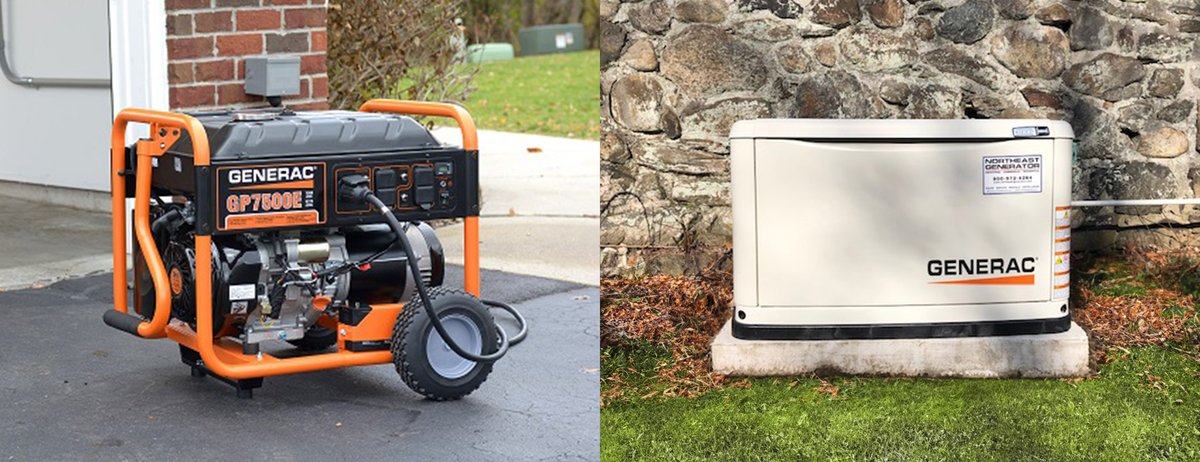
Choosing a power generator isn't just about finding a backup; it's about securing peace of mind, protecting your assets, and ensuring continuity when the grid fails. For those with substantial power needs—perhaps a large home, a small business, or critical equipment—a 30kW generator often enters the conversation. But navigating the landscape of Types of 30kW Generators: Diesel, Gas, Propane & Standby vs. Portable can feel like deciphering an engineer's blueprint. We're here to demystify it, helping you understand the real-world implications of each option so you can make an informed, confident decision.
Forget the technical jargon. Think of this as your practical guide to understanding what makes each 30kW generator type tick, what its strengths and weaknesses are, and ultimately, which one is the right fit for your unique demands.
At a Glance: Your 30kW Generator Options
Before we dive deep, here’s a quick overview of what you need to know about 30kW generators:
- 30kW is Serious Power: This output generally exceeds typical residential whole-house needs (which often cap around 22kW) and is far beyond standard portable units. It's for large homes, essential business operations, or heavy-duty industrial tasks.
- Standby Generators (Fixed Installation): These are permanent, outdoor units that automatically kick on when utility power fails. They offer worry-free, long-duration backup, typically running on natural gas or propane, though diesel is common for commercial scale.
- Portable Generators (Movable Power): While a 30kW portable is a heavy-duty beast, it offers flexibility. It requires manual setup, refueling, and connection. Gasoline and propane are common portable fuels, with diesel for the largest portable units.
- Diesel: Known for durability, fuel efficiency, and long operational life, but with higher upfront costs and more emissions. Best for large-scale, continuous use.
- Propane (LP): Burns cleaner, quieter, and stores well without degradation. Requires larger storage tanks and can be pricier per gallon, offering less energy output than diesel or gasoline.
- Natural Gas: The "indefinite" fuel source for standby generators, directly tied to your utility line, eliminating on-site fuel storage concerns (except for the utility dependency itself).
- Gasoline: Common for smaller portables, but highly impractical for a 30kW unit due to immense fuel consumption, shorter operational life, and frequent refueling needs.
Why 30kW? Understanding Your Robust Power Needs
Before exploring types, let’s be clear: a 30kW generator is a substantial investment for significant power requirements. Most standard residential backup needs fall between 8,000 to 22,000 watts (8-22kW). A 30kW unit typically caters to:
- Very Large Residences: Estates with multiple HVAC systems, pools, extensive lighting, and a suite of high-demand appliances.
- Small to Medium Businesses: Offices, clinics, restaurants, or retail spaces that need to maintain operations without interruption.
- Agricultural Operations: Powering barns, irrigation pumps, or processing equipment.
- Specialized Industrial Applications: Providing temporary or backup power for demanding tools or machinery.
If you’re considering 30kW, you’re not just looking to keep the lights on; you're looking for comprehensive power stability. This scale demands careful consideration of reliability, fuel logistics, and installation.
The Core Divide: Standby vs. Portable 30kW Generators
The first major fork in your generator journey is deciding between a permanently installed standby unit and a more flexible, but hands-on, portable model. For a 30kW output, this choice carries significant weight.
Standby 30kW Generators: Automated Powerhouses for Uninterrupted Operation
Think of a standby generator as your property's vigilant power guardian. Permanently installed outside your home or business, often resembling a large, insulated outdoor unit (similar in size to a central air conditioner), it's designed to activate automatically the moment your utility power falters.
Key Characteristics:
- Automatic Activation: This is the gold standard for backup. When power drops, a transfer switch (a vital component for any hardwired generator) senses the outage and seamlessly switches your electrical load to the generator. No manual intervention, no fumbling in the dark.
- Long-Term Reliability: Standby generators are built for sustained operation. They can run for days or even weeks on a full propane tank, or indefinitely if connected to a natural gas line, providing true peace of mind during extended outages.
- Quiet Operation: Thanks to their insulated covers and engineered design, standby generators are significantly quieter than their portable counterparts, a crucial factor when they might be running for extended periods.
- Weather-Protected: Designed to withstand the elements, these units are robust and ready to perform regardless of rain, snow, or extreme temperatures.
- Powers Everything (or Almost Everything): A properly sized 30kW standby generator can easily power an entire large home or a significant portion of a commercial facility simultaneously, from HVAC systems to critical machinery.
Pros: - Worry-Free: Fully automatic operation means no manual setup, even when you're away.
- Comprehensive Coverage: Can power virtually all your essential systems and appliances.
- Extended Run Times: Days or weeks on propane, potentially indefinite on natural gas.
- Quiet Performance: Less disruptive to you and your neighbors.
- Enhanced Safety: Professionally installed, with no messy cords or manual refueling during operation.
Cons: - Significant Investment: Expect a higher upfront cost for the unit itself, plus substantial installation expenses (often several thousand dollars to over $10,000). This involves electrical work, gas line hookups, and a permanent concrete base.
- Large Footprint: Requires dedicated outdoor space on your property.
- Complex Installation: Not a DIY project; requires certified electricians and gas technicians.
For those facing frequent or prolonged power outages, or who simply demand uninterrupted convenience and protection for their critical systems, a 30kW standby generator is often the preferred choice.
Portable 30kW Generators: Power On the Go (and the Heavy-Duty Catch)
When we talk about "portable" generators, the image often conjured is a smaller unit on wheels for camping or powering a few tools. A 30kW portable generator, however, is a different beast entirely. It's a heavy-duty machine designed for serious mobile power, far exceeding the typical 2,500 to 8,500 watts of most residential portables.
Key Characteristics:
- Manual Operation: You’ll need to physically wheel it out, connect it to your electrical panel (via a proper transfer switch for hardwired loads), start it, and refuel it manually.
- Noisier: Generally louder than standby units, which can be a nuisance during long operational periods.
- Temporary Power: Designed for intermittent or temporary use rather than continuous, unattended operation for weeks on end.
- Fuel Storage & Refueling: Requires on-site fuel storage (often substantial for a 30kW unit) and manual refueling every few hours (always with the generator off to minimize fire danger).
- Flexibility (for specific scenarios): While less common for whole-house backup, a 30kW portable might be ideal for construction sites, events, or remote operations where power needs are significant but mobile.
Pros: - Lower Initial Cost: Generally cheaper to buy than a comparable standby unit, though a 30kW portable is still a significant investment. Installation costs are also lower if you're primarily using extension cords for specific appliances (though for a 30kW output powering substantial loads, a transfer switch is highly recommended, adding installation complexity and cost).
- Versatility: Can be moved to different locations where power is needed (though a 30kW unit will be very heavy and likely require specialized transport).
- Built-in Outlets: Useful for direct connection of tools and appliances via extension cords.
Cons: - Manual & Labor-Intensive: Requires your active involvement for setup, startup, and refueling.
- Fuel Logistics: Storing large quantities of stabilized gasoline or managing large propane tanks for a 30kW unit can be a logistical challenge.
- Noisier Operation: Can be disruptive, especially during extended use.
- Shorter Run Times: Limited by fuel tank capacity and the need for frequent, manual refueling.
- Safety Risks: Higher risk of carbon monoxide poisoning if not properly located and vented.
Critical Safety Guidelines for ALL Portable Generators (including 30kW units):
Even with advanced safety features like CO sensors, never compromise on safety: - NEVER operate indoors, including open garages, sheds, or similar structures. Carbon monoxide is an odorless, colorless killer.
- Position at least 20 feet from your house with the exhaust directed away from all windows, doors, AC units, and other buildings.
- Install working, battery-powered CO detectors in your living spaces.
- Refuel only when the generator is OFF and cool.
For budget-conscious consumers who need significant power but only for infrequent, shorter outages, and are willing to handle the manual operation, a robust portable 30kW generator might be a consideration, especially for commercial or industrial mobile applications.
Fueling Your Powerhouse: Diesel, Gasoline, Propane, or Natural Gas for Your 30kW Generator
Once you've decided on standby or portable, the next crucial decision is your generator's fuel type. This impacts everything from operating costs and maintenance to environmental footprint and how long your unit can run.
Diesel 30kW Generators: The Workhorse Choice
Diesel generators are often the go-to for heavy-duty, large-scale, and critical applications, and a 30kW output certainly fits that description. They are renowned for their robust construction and consistent performance.
Key Characteristics:
- Durability and Longevity: Diesel engines are built to last, offering a longer operational life compared to gasoline counterparts.
- Fuel Efficiency: They consume less fuel per hour, leading to lower operational costs over time.
- Reliable Performance: Known for steady power output under demanding loads.
- Common in Commercial/Industrial: Widely used in environments where uptime and reliability are paramount.
Pros: - Exceptional Durability and Longevity: Built to withstand continuous, heavy use.
- High Fuel Efficiency: Lower operating costs due to less fuel consumption.
- Steady and Reliable Power Output.
- Fuel Stores Well: Diesel fuel has a good shelf life, especially with stabilizers.
Cons: - Higher Upfront Cost: Diesel generators are typically more expensive to purchase initially.
- Requires More Maintenance: Can be more complex to maintain, requiring specialized service.
- Emissions: Historically, diesel engines emit more greenhouse gases and particulate matter compared to propane or natural gas (though modern diesel engines are much cleaner).
- Fuel Availability: While generally available, specialized delivery might be needed for large tanks.
Best For: Large homes requiring serious, long-term backup, commercial facilities, industrial sites, or situations demanding maximum reliability and fuel efficiency for extended periods. Explore our 30kW diesel generator options for heavy-duty performance.
Gasoline 30kW Generators: Less Ideal for This Scale
While gasoline is the most common fuel for smaller portable generators (typically 2,500 to 8,500 watts), it becomes less practical and efficient as you scale up to 30kW, especially for standby applications.
Key Characteristics:
- Readily Available Fuel: Gasoline is easy to find at almost any gas station.
- More Affordable Initially (for smaller units): Smaller gasoline generators have a lower purchase price.
- Less Efficient at Higher Loads: Gasoline engines consume fuel at a much faster rate than diesel, and for 30kW, this becomes an enormous logistical challenge.
Pros: - Widely Available Fuel: Easy to purchase from gas stations.
- Potentially Lower Initial Cost (for portable units): Though a 30kW gasoline unit is still a significant investment.
Cons: - Massive Fuel Consumption for 30kW: A 30kW gasoline generator would burn through an incredible amount of fuel, requiring constant refueling. For perspective, smaller portables burn 12-20 gallons/day; a 30kW unit would be far more, making manual refueling unsustainable.
- Shorter Operational Life: Gasoline engines generally have a shorter lifespan than diesel.
- Fuel Degradation: Gasoline degrades over time, requiring stabilizers for long-term storage, which is cumbersome for the volumes needed.
- Higher Operational Costs: Due to inefficiency and frequent refueling.
- Increased Fire Danger: Storing large quantities of gasoline on-site for a 30kW unit poses a significant safety risk.
Best For: Frankly, a 30kW gasoline generator is rarely the optimal choice unless it's a very specific, short-term portable application where diesel or propane are simply unavailable, and the extreme fuel logistics are manageable. For most backup power scenarios at this scale, it's generally ill-advised.
Propane (LP) 30kW Generators: Cleaner, Quieter, Long-Lasting Storage
Propane generators are gaining significant traction, particularly for home standby systems, thanks to their cleaner operation and convenient storage.
Key Characteristics:
- Cleaner Burning: Produces fewer carbon emissions and less particulate matter, making it a more environmentally friendly choice.
- Quieter Operation: Generally runs quieter than gasoline or diesel equivalents.
- Excellent Fuel Storage: Propane doesn't degrade over time, meaning you don't need stabilizers, and it can be stored indefinitely in tanks without issues.
- Common for Standby: Widely used for whole-house standby generators, offering days or weeks of run time on a full tank (e.g., 13-48 gallons/day for whole-house standby, scaling up for 30kW).
Pros: - Reduced Emissions: Better for the environment and local air quality.
- Long Fuel Storage Life: No degradation, no need for fuel stabilizers.
- Quieter Performance: More neighbor-friendly.
- Dual-Fuel Options: Many portable models offer dual-fuel (gasoline/propane), providing flexibility.
Cons: - Requires Storage Tank: Needs a dedicated, large storage tank on your property (which takes up space and has an upfront cost).
- Lower Energy Output: Propane produces less energy per gallon than gasoline or diesel, meaning a larger quantity is needed to generate the same power, affecting fuel efficiency.
- Fuel Cost: Propane can sometimes be more expensive per unit of energy compared to natural gas or diesel, depending on market fluctuations.
Best For: Environmentally conscious homeowners or businesses, locations where natural gas isn't available, and those seeking long-term, low-maintenance fuel storage for their 30kW standby generator.
Natural Gas 30kW Generators: The Indefinite Power Source
While often grouped under "gas" generators, natural gas deserves its own category, especially for larger standby units like a 30kW. It offers a unique advantage that other fuels cannot: an uninterrupted supply (barring utility issues).
Key Characteristics:
- Direct Utility Connection: Plumbed directly into your home or business's natural gas line.
- Indefinite Run Time: As long as your natural gas utility is operational, your generator will run without needing refueling.
- No On-Site Fuel Storage: Eliminates the need for bulky fuel tanks on your property.
Pros: - True "Set It and Forget It" Fuel: No worries about refueling, ordering fuel, or fuel degradation.
- Unlimited Run Time: Ideal for extremely long power outages.
- Cost-Effective: Natural gas is often the cheapest fuel source for long-term operation.
- Clean Burning: Similar to propane, it's a cleaner fuel than gasoline or diesel.
Cons: - Utility Dependent: If the natural gas line itself is compromised during a disaster, your generator won't run.
- Not Portable: Exclusively for standby generators.
- Installation Costs: Requires a natural gas line to be run to the generator, adding to installation expenses.
- Pressure Requirements: Larger generators like 30kW may require higher natural gas pressure or a larger line than what's available for standard appliances, potentially necessitating utility upgrades.
Best For: Standby installations in areas with reliable natural gas service, offering the ultimate in hands-off, continuous power during extended outages for your 30kW needs.
Making the Right Choice: Key Factors for Your 30kW Generator
Choosing a 30kW generator is a significant decision. Here's a framework of factors to help you weigh your options:
1. Pinpoint Your Exact Power Needs
Remember, 30kW is a lot of power.
- What critical systems absolutely must run? HVAC, well pump, commercial refrigeration, servers, specific machinery?
- Do you need to power everything or just essential circuits? A 30kW standby can handle a very large load, but a portable might only cover select high-draw items.
- Consider future expansion: Will your power needs grow in the next 5-10 years?
2. Fuel Availability & Logistics
- Natural Gas: Do you have an existing natural gas line? Is it adequately sized for a 30kW generator?
- Propane: Is propane delivery readily available in your area? Do you have space for a large tank?
- Diesel: Can you arrange for regular, bulk diesel deliveries and store it safely?
- Gasoline: For a 30kW, the sheer volume of gasoline needed makes this fuel choice a logistical nightmare.
3. Budget: Upfront vs. Long-Term Costs
- Purchase Price: Portable units generally have lower unit costs than standby. Diesel units tend to be more expensive upfront.
- Installation Costs: Standby units (especially 30kW) have significant installation expenses for electrical work, gas/fuel lines, and a concrete pad.
- Fuel Costs: Natural gas is often cheapest per unit of energy. Propane and diesel costs fluctuate. Gasoline will be extremely expensive to operate at 30kW.
- Maintenance: Diesel generators may have higher specific maintenance needs, but all generators require regular servicing.
4. Environmental Footprint
- Cleaner Options: Natural gas and propane burn cleaner, producing fewer emissions.
- Diesel Emissions: While modern diesel engines are improved, they still generally have higher emissions compared to gas fuels.
- Regulatory Requirements: Check local regulations regarding emissions for larger generators.
5. Noise Considerations
- Standby Advantage: Insulated standby generators are significantly quieter than portables.
- Location Matters: Even quiet standby units need to be positioned far enough from noise-sensitive areas. A 30kW portable will be loud and requires careful placement.
6. Maintenance and Service
- Routine Checks: All generators need regular maintenance (oil changes, filter replacements, battery checks).
- Professional Servicing: For 30kW units, professional maintenance is crucial to ensure reliability and longevity.
- Testing: Standby generators often have self-test functions to ensure readiness. Portable units require manual testing.
7. Installation Complexity
- Standby: Requires professional installation by licensed electricians, plumbers (for gas lines), and possibly masons for a concrete pad. This is a complex, multi-trade project.
- Portable: While the unit itself is simpler to "install" (wheel out), connecting it to your home's electrical system via a transfer switch for hardwired appliances still requires a licensed electrician. Never backfeed power into your home's wiring.
Beyond the Basics: Smart Generator Practices
Investing in a 30kW generator is just the first step. To maximize its value and ensure reliable operation, consider these smart practices:
The Essential Role of a Transfer Switch
For any generator intended to power hardwired appliances or multiple circuits in your home or business, a transfer switch is non-negotiable. It does two critical jobs:
- Safety: It prevents "backfeeding" electricity into the utility lines, which could electrocute utility workers.
- Functionality: It safely isolates your generator from the utility, ensuring only your generator is powering your property.
For standby generators, the transfer switch is automatic; for portable units, it's typically manual. Regardless, professional installation is a must.
Regular Testing and Maintenance
Just like any critical piece of equipment, your generator needs attention:
- Weekly/Monthly Self-Tests (Standby): Most standby units perform automated self-tests to ensure they're ready.
- Monthly Manual Runs (Portable): Run your portable generator under a light load for 15-30 minutes monthly to keep components lubricated and ensure it starts.
- Annual Professional Servicing: Schedule a yearly check-up with a qualified technician. This is especially important for complex 30kW units.
Fuel Management
- Fuel Stabilizer (for Gasoline): If you must use gasoline for a portable 30kW unit, always use a fuel stabilizer if fuel will sit for more than a few weeks.
- Tank Monitoring (Propane/Diesel): Keep an eye on your fuel levels and schedule refills before you're running on empty.
- Natural Gas Line Checks: Ensure your gas line is inspected periodically, especially after any severe weather.
Your Next Step: Finding the Perfect 30kW Power Solution
Choosing the right 30kW generator type and fuel is a detailed process that balances your power needs, budget, logistical capabilities, and personal preferences. There’s no single "best" option; only the best one for you.
Given the scale and investment involved with a 30kW generator, professional guidance is invaluable. We highly recommend consulting with a qualified generator specialist. They can help you:
- Conduct a precise load assessment: To accurately determine your actual 30kW needs.
- Evaluate your property for installation: Assessing fuel line access, suitable locations, and local zoning requirements.
- Provide detailed quotes: Covering both the generator unit and comprehensive installation costs.
- Recommend the optimal type and fuel: Based on their expertise and your specific circumstances.
Don't leave your power security to chance. Take the time to understand your options, assess your needs thoroughly, and partner with experts to implement a robust and reliable backup power solution. After all, when the lights go out, your peace of mind is priceless.