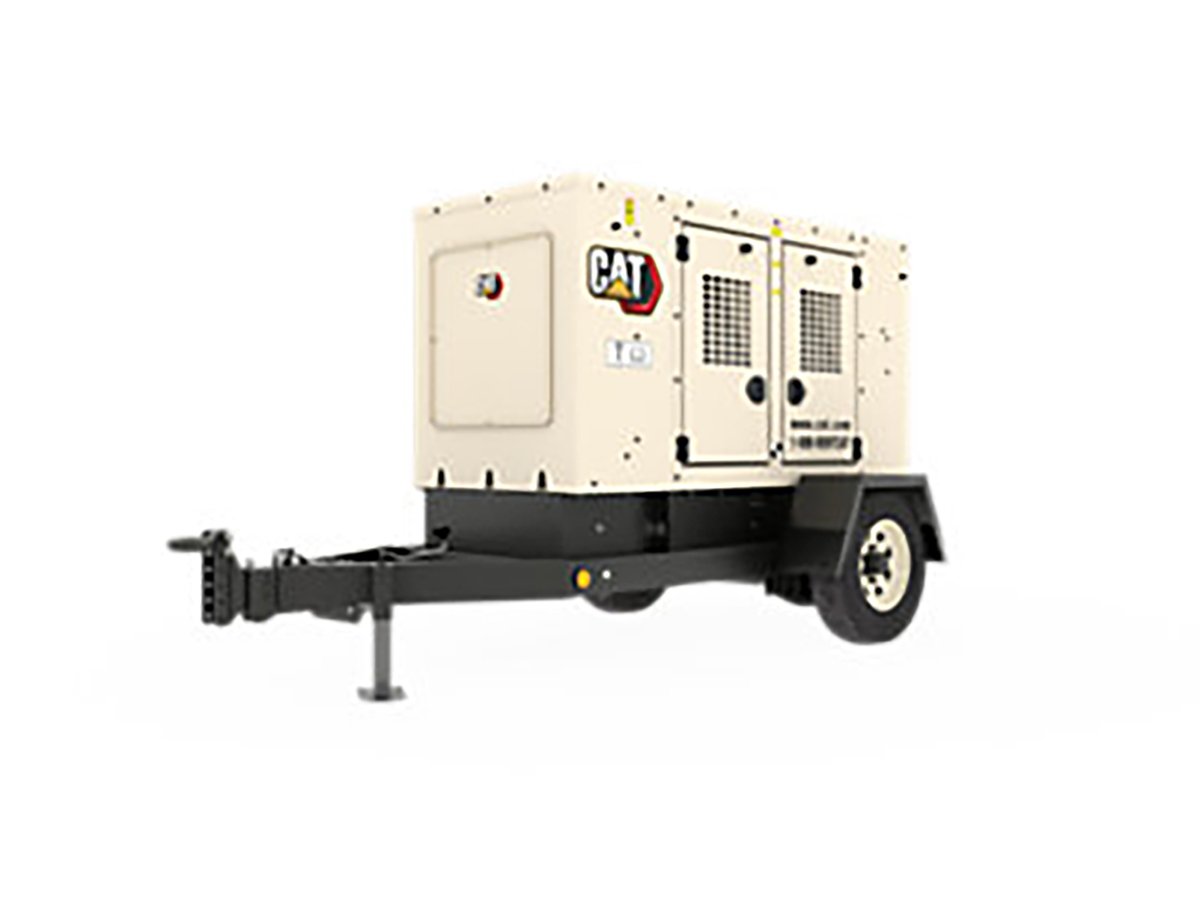
When the lights go out, whether due to a fierce storm, an unexpected grid failure, or a planned maintenance shutdown, critical operations grind to a halt. For businesses, healthcare facilities, and even larger homes, this isn't just an inconvenience—it's a threat to productivity, safety, and comfort. This is precisely where a robust backup power solution steps in, and among the most versatile and powerful options available is the 30kW generator. So, what is a 30kW generator? Definitions, features, and uses are far more nuanced than just its power rating. It's a powerhouse designed to automatically deliver substantial, reliable electricity, ensuring your essential systems keep running without missing a beat.
Think of it as the ultimate insurance policy against power disruptions, offering a blend of power, efficiency, and intelligence that makes it an indispensable asset. This guide will demystify the 30kW generator, exploring its capabilities, ideal applications, and what you need to know to choose the right one for your specific needs.
At a Glance: Understanding the 30kW Generator
- What it is: A powerful backup electrical system, often operating automatically, capable of generating 30 kilowatts of electricity.
- Primary Purpose: Provides seamless, automatic power within seconds of an outage, preventing operational downtime.
- Who it's for: Ideal for small to medium commercial operations (offices, clinics, restaurants), construction sites, and large residential properties.
- Key Capabilities: Can run multiple heavy-duty appliances simultaneously, including commercial kitchen equipment, climate control systems, and office electronics.
- Typical Cost: Around $13,000, varying based on brand, features, and fuel type.
- Key Considerations: Energy demand, fuel type, noise level, certifications, and warranty are paramount.
Unpacking the "30kW": What That Power Rating Really Means
The "kW" in 30kW stands for kilowatt, a standard unit of electrical power. One kilowatt equals 1,000 watts. So, a 30kW generator can produce 30,000 watts of electricity at any given moment. This isn't just a number; it's a direct indicator of the sheer volume of electrical devices and appliances the generator can power concurrently.
While smaller generators might handle a few essential circuits in a home, and much larger ones power entire industrial complexes, the 30kW rating hits a sweet spot. It's robust enough to support a significant load without being excessively large or fuel-hungry for many common applications. This capacity allows it to manage not just basic lighting but also heavy machinery, multiple climate control units, and extensive office equipment. Understanding this power metric is the first step in appreciating why the 30kW generator has become a go-to solution for reliable backup power. You can learn more about 30kW generators and their broader context within the power generation landscape.
The Unseen Hero: Where a 30kW Generator Shines
A 30kW generator isn't merely a piece of equipment; it's a strategic investment in continuity. Its versatility allows it to seamlessly integrate into various environments where consistent power is non-negotiable.
Powering Productivity in Commercial Settings
For businesses, a power outage can translate directly into lost revenue, compromised data, and safety hazards. A 30kW generator acts as a steadfast protector:
- Construction Sites: Handling heavy-duty power tools, lighting rigs, and temporary office trailers is second nature for a 30kW unit. Its robust output supports the demanding environment of active building projects, keeping work on schedule.
- Healthcare Facilities: Clinics, dental offices, and smaller medical centers rely on consistent power for everything from patient record systems to specialized diagnostic equipment. A 30kW generator ensures these critical services remain uninterrupted, safeguarding patient care.
- Offices and Retail: From running entire computer networks and servers to keeping tills operational and ensuring climate control for comfort, a 30kW generator prevents business paralysis. It keeps staff productive and customers comfortable, even during extended outages.
- Small Businesses with Specific Needs: This includes commercial kitchens needing to keep refrigerators running and ovens firing, or laundromats that can't afford a single washing machine to stop. The compact size and deep sound characteristics of these generators make them well-suited for commercial applications, often fitting discreetly into business premises. These are just a few examples of where commercial generators make a difference in maintaining operational efficiency.
Safeguarding Large Residential Properties
While often associated with commercial use, a 30kW generator is also an excellent choice for large, upscale homes with extensive electrical demands. Imagine a spacious home featuring multiple air conditioning units, an electric well pump, a home office, a gourmet kitchen, and perhaps a home theater. A 30kW generator can comfortably handle the full electrical load of such a property, offering true whole-house backup power. It ensures modern conveniences and critical systems like security and climate control continue to function, providing peace of mind to homeowners.
What a 30kW Generator Can (and Can't) Power
Understanding the 30kW capacity translates to knowing exactly what appliances and systems it can support. For businesses, this means peace of mind knowing that essential operations won't falter.
A 30kW generator is ample for running a wide array of common electrical appliances and systems found in business settings:
- Commercial Kitchen Appliances: Think refrigerators, freezers, ovens, dishwashers, microwaves, and coffee machines. A busy restaurant can't afford spoilage or service interruption.
- Climate Control Appliances: Multiple air conditioners, heaters, and fans can operate, maintaining a comfortable and safe environment for employees and customers.
- Commercial Laundry Room Appliances: Washers and dryers can keep processing loads without interruption, crucial for hotels, clinics, or even laundromats.
- Office Appliances: Computers, laptops, multiple large-screen TVs, printers, and entire server racks can remain powered, preventing data loss and ensuring continuous productivity.
A Crucial Caveat: While powerful, a 30kW generator might not bear the load of all these appliances simultaneously if every single one is running at peak capacity. Its effective capacity depends on the aggregate demand of connected devices. This is where smart power management systems become invaluable, prioritizing essential circuits and shedding less critical ones if the load approaches the generator's limit. A professional load calculation is always recommended to perfectly match the generator's output to your specific needs, accounting for both starting (surge) and running wattages of your equipment.
Beyond the Kilowatts: Key Features of a Modern 30kW Generator
The power rating is just one piece of the puzzle. Modern 30kW generators come packed with sophisticated features that enhance their reliability, efficiency, and user experience.
Standby Generators: The Power of Automation
Most 30kW generators are designed as standby generators. Unlike portable units that require manual setup and fueling, standby generators are permanently installed outside a building and connected to its electrical system via an automatic transfer switch (ATS). When the grid power fails, the ATS detects the outage and automatically switches the electrical load to the generator, which starts up within seconds. Once utility power is restored, the system automatically transfers the load back and shuts down the generator. This seamless, hands-off operation is a significant advantage, especially for critical applications where even a momentary power loss can be detrimental. It's one of the primary benefits of a standby generator over other backup power options.
The Heart of the System: Engine and Cooling
High-performance engines are critical for sustained, reliable power. Many 30kW models feature robust, liquid-cooled engines. Liquid cooling offers several advantages:
- Enhanced Durability and Longevity: By maintaining optimal operating temperatures, liquid-cooled engines experience less wear and tear, extending their lifespan.
- Quieter Operation: Liquid cooling often contributes to a quieter generator, a significant factor for installations near offices or residential areas.
- Better Performance in Extreme Conditions: They perform more efficiently in higher altitudes and hotter environments, making them a more reliable choice for diverse climates.
Fueling Your Power: Diesel, Natural Gas, or Propane?
The choice of fuel type is a critical decision, influencing operating costs, availability, and noise levels. Each option has its distinct pros and cons:
- Natural Gas (NG):
- Pros: Connected directly to a utility line, so no need for refueling or on-site storage tanks (virtually limitless supply). Burns cleanly. Generally less expensive than diesel or propane.
- Cons: Performance can decrease slightly at very cold temperatures. Requires a natural gas line connection.
- Ideal for: Offices and residential properties due to lower noise levels and continuous supply.
- Liquid Propane (LP/LPG):
- Pros: Clean-burning, long shelf life, easily stored in tanks on-site. Readily available.
- Cons: Requires a large storage tank and periodic refueling. Fuel cost can fluctuate.
- Ideal for: Locations without natural gas lines or as a reliable backup with stored fuel.
- Diesel:
- Pros: Very fuel-efficient, excellent for long run times under heavy loads. Fuel is generally very stable for storage.
- Cons: Higher emissions than gas fuels. Diesel engines can be louder. Requires on-site fuel storage and delivery.
- Ideal for: Construction sites and industrial applications where robust, continuous power is paramount, and noise is less of a concern.
Considering these options helps you select the best fit for your budget, location, and operational needs. For a deeper dive, explore different generator fuel types and their suitability.
The Automatic Transfer Switch (ATS)
While part of the installation rather than the generator itself, the ATS is integral to the "standby" functionality. It's the brain that monitors utility power and seamlessly orchestrates the transfer of electrical load between the grid and the generator, all without human intervention. This ensures a smooth transition, minimizing downtime and protecting sensitive electronics from sudden power fluctuations.
Sound Levels: A Decibel's Difference
Generator noise is measured in decibels (db(A)), and this factor is crucial, especially for installations near occupied buildings. Gas generators are often preferred for offices or residential areas due to their generally lower noise output compared to diesel models. Manufacturers are constantly innovating to produce quieter generators, employing advanced enclosures and engine designs. For context, normal conversation is around 60 dB(A), while a vacuum cleaner is about 70 dB(A). Aiming for a generator with a lower dB(A) rating can significantly improve comfort for those nearby.
Monitoring & Control: Smart Power at Your Fingertips
Modern 30kW generators often come with advanced control panels and remote monitoring capabilities:
- Integrated Control Panels: Provide real-time status updates, diagnostic information, and local control.
- Wireless Monitoring (e.g., InfoHub, Kohler App): Allows users to check generator status, receive maintenance reminders, and get outage alerts on their computers, mobile devices, or tablets, from anywhere with an internet connection.
- Power Management Systems (e.g., Symphony Choice): These intelligent systems can prioritize power distribution to selected appliances, preventing overload by temporarily shedding non-essential loads when demand peaks. This ensures critical systems remain powered even if the overall load briefly exceeds the generator's capacity.
Durability & Enclosure: Built to Last
Given that standby generators are installed outdoors, their enclosure is vital. They are designed to withstand harsh weather conditions, including strong winds, rain, and snow. Features like sturdy, weather-resistant materials (e.g., aluminum tanks for reduced emissions and durability) and robust construction ensure long-lasting performance with minimal maintenance.
Making the Smart Choice: What to Consider Before You Buy
Investing in a 30kW generator is a significant decision. To ensure you select the perfect system for your needs, consider these crucial factors:
Assessing Your True Energy Demand
The 30kW rating is a starting point, but your specific energy demand dictates the precise generator size you need. Don't guess; conduct a professional load calculation. This involves:
- Listing all appliances and systems: Identify everything you want the generator to power during an outage.
- Calculating running wattage: The continuous power needed for each item.
- Calculating starting (surge) wattage: The brief, higher power spike many motors (like AC units or refrigerators) require to start up. This is often the most critical factor in sizing.
- Considering future expansion: Will you add more equipment in the coming years?
An undersized generator will struggle to meet your needs, while an oversized one will cost more upfront and may run less efficiently. Proper sizing ensures the 30kW output is sufficient for your small business facilities or large residential property. For comprehensive guidance on this, consult a guide on how to properly size a generator for your needs.
Fuel Availability and Storage
Beyond the pros and cons of each fuel type, consider the practicalities:
- Natural Gas: Do you have a natural gas line accessible on your property? What's the capacity of the line?
- Propane/Diesel: Where will the fuel tank be located? How often will it need to be refilled? What are the local regulations for fuel storage?
Noise Regulations
Before installation, check local ordinances regarding generator noise levels, especially if your property is in a densely populated area or near residential zones. This will influence your fuel choice (gas often quieter) and potentially the placement of the unit.
Certifications and Standards
Look for generators with reputable certifications, which assure quality, safety, and environmental compliance:
- Environmental Protection Agency (EPA): Ensures compliance with emission standards.
- Underwriter Laboratories (UL) / Canadian Underwriters Laboratories (cUL): Signifies that the product meets stringent safety standards.
- California Air Resources Board (CARB): Important for generators sold in California, ensuring they meet the state's strict air quality standards.
These certifications provide a trustworthy stamp of approval.
Warranty and Service
A comprehensive warranty is non-negotiable. Look for coverage that includes:
- Parts and Labor: A good warranty covers both the cost of replacement parts and the labor to install them.
- Duration: Typically 3-5 years or more.
- Service Network: Does the manufacturer have a strong network of authorized dealers and technicians in your area for maintenance and repairs? Some premium warranties even cover dealer travel mileage for service.
Brand Reputation
Prioritizing generators manufactured by renowned brands like Briggs & Stratton, Kohler, Generac, and Cummins is a wise decision. These companies have established reputations for quality, reliability, and robust customer support, offering peace of mind that your investment is sound.
Installation Requirements
Remember that a standby generator requires professional installation, including electrical work (connecting to your building's electrical system via the ATS), fuel line connection, and often a concrete pad for the unit. Local permits are almost always required. Factor these costs and logistics into your overall planning.
A Closer Look: Leading 30kW Generator Models
To illustrate the features discussed, let's examine a few prominent 30kW generator models, highlighting their unique strengths and target applications.
Briggs & Stratton 076880 Liquid-Cooled Fortress LPV/NG 30kW Standby Generator
This model is a top contender for offices or large residential properties seeking seamless, quiet power.
- Fuel Flexibility: Operates on Liquid Propane Vapor (LPV) or Natural Gas (NG), offering versatility based on your fuel availability and preference.
- Engine & Power: Features a 1.6L, 4-cycle engine delivering 49 Horsepower (HP), ensuring consistent power output and steady frequency regulation—critical for sensitive electronics.
- Durability & Cooling: Advanced cooling systems and full-pressure lubrication enhance the engine's durability and lifespan.
- Smart Monitoring: Equipped with an integrated control panel and InfoHub Wireless Monitoring, allowing you to check status and receive reminders on your computer, mobile device, or tablet.
- Intelligent Power Management: The Symphony Choice Power Management system automatically distributes power to selected appliances, preventing overload and prioritizing essential loads.
- Performance: Operates efficiently across various elevations and temperatures.
- Noise Level: An impressive sound rating of 66 db(A), making it relatively quiet for its power class.
- Certifications: UL and cUL certified, ensuring high safety standards.
Briggs and Stratton Fortress 30kW Generator 120/240V Single Phase | 76880 (Diesel)
While sharing a similar model identifier, this diesel variant of the Briggs & Stratton Fortress series offers a different set of strengths, primarily geared towards more robust, prime power applications.
- Fuel Type: A robust diesel generator, known for its efficiency and durability under heavy, continuous loads.
- Whole-House Standby: Delivers reliable electricity through a single-phase system, suitable for substantial power demands.
- Engine & Cooling: Features a liquid-cooled engine operating at 1800 rpm, contributing to its longevity and stable performance.
- Construction: Comes with a sturdy enclosure and an aluminum tank, enhancing durability and contributing to reduced emissions.
- Competition: Designed to compete with established diesel generator brands like Kohler, Generac, and Cummins, reflecting its high-performance capabilities.
- Maintenance: Built for ease of maintenance and long-lasting performance, a key consideration for commercial users.
Kohler 30 kW Generator (Model 30RCLA)
Kohler positions its 30 kW Model 30RCLA as a premium solution for large homes and businesses, emphasizing quiet operation and robust engineering.
- Compact Design: Offers a space-saving footprint, ideal for installations where real estate is at a premium.
- Liquid-Cooled Advantage: Its liquid-cooled engine is superior for higher altitudes and hotter environments, promoting quieter, longer-lasting operation with less maintenance, partly due to its brushless alternator design.
- Quiet Operation: Marketed as one of the quietest residential generators in its class, exercising at an exceptionally low 52 dB(A)—significantly quieter than many competitors, making it ideal for noise-sensitive areas.
- Commercial-Grade Reliability: The engine is rigorously tested for 2,000 hours of continuous operation, underscoring its commercial-grade durability.
- Extreme Durability: Its enclosure is engineered to endure winds up to 181 MPH, offering exceptional protection against severe weather.
- Premium Warranty: Kohler offers a superior warranty package, including dealer travel up to 200 miles for service (compared to 100 for competitors), a 5-year parts warranty (vs. 3 for many competitors), and crucially, includes battery coverage, which competitors often omit.
- Smart Management: The Kohler Energy Management App provides convenient remote access and an intuitive interface for managing generator settings and monitoring status.
- Fuel: Supports Natural Gas & LPG fuel types.
- Price Point: MSRP starts at $19,999, reflecting its premium features and warranty.
The Investment: What to Expect from a 30kW Generator Cost
The average cost of a 30kW generator typically hovers around $13,000, but this is merely a starting point. The final price can vary significantly based on several factors:
- Manufacturer Reliability and Quality: Premium brands with a reputation for superior engineering and longevity often come with a higher price tag.
- Features: Advanced features like wireless monitoring, sophisticated power management systems, premium enclosures, and specific engine technologies (e.g., liquid-cooled vs. air-cooled) will increase the cost.
- Fuel Type: Diesel generators often have a higher upfront cost than natural gas or propane models.
- Size and Load Capacity: While we're focusing on 30kW, slight variations in actual output or surge capacity can affect pricing.
Beyond the Sticker Price: Remember that the total investment extends beyond the initial purchase price of the generator. You'll need to factor in: - Installation Costs: This includes professional electrical work, plumbing for fuel lines (natural gas/propane), a concrete pad, and any necessary permits. These costs can easily add several thousands of dollars.
- Fuel Costs: Ongoing fuel consumption will be a recurring expense, varying by fuel type and usage.
- Maintenance: Regular maintenance is crucial to ensure optimal performance and longevity. This includes oil changes, filter replacements, and system checks. Creating a consistent maintenance schedule is key to keep your generator running smoothly.
When evaluating the cost, it's essential to consider the generator as a long-term investment in continuity and peace of mind. The cost of downtime, lost data, or spoiled inventory can quickly outweigh the upfront price of a reliable backup power system.
Your Next Step: Securing Reliable Power
A 30kW generator represents a powerful and intelligent solution for safeguarding your operations or home against the unpredictable nature of power outages. It's a testament to resilience, ensuring that critical systems, comfort, and productivity remain uninterrupted.
However, choosing and installing the right 30kW generator isn't a one-size-fits-all decision. It requires careful consideration of your specific energy demands, fuel availability, budget, and local regulations. The best way to proceed is by:
- Conducting a Thorough Needs Assessment: Don't underestimate or overestimate your power requirements. A professional load calculation is paramount to match the generator perfectly to your facility or home.
- Consulting with Experts: Engage with certified electricians and generator specialists. They can help you navigate fuel options, installation logistics, and local permitting requirements.
- Prioritizing Quality and Warranty: Opt for reputable brands known for their reliability and customer support. A strong warranty and accessible service network are invaluable for long-term peace of mind.
Ultimately, a 30kW generator is more than just a machine; it's an investment in uninterrupted functionality and security. By taking a thoughtful, informed approach, you can confidently select a system that delivers reliable, automatic power when you need it most, allowing you to weather any power disruption with confidence.